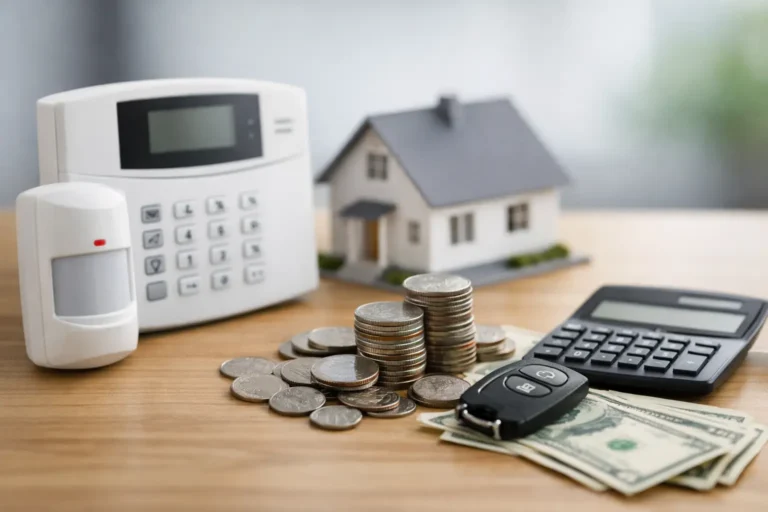

If you are comparing security options for your home or business, one of the first questions is simple: how much does it cost for alarm monitoring? The short answer is that most professionally monitored alarm systems fall somewhere between about $20 and $60 per month, but the real price depends on what is being monitored, how the system communicates, and how much support you expect from your provider.
That range can feel wide when you are trying to set a budget. The good news is that alarm monitoring is usually more predictable than people think. Once you understand what drives the monthly fee, it becomes much easier to compare providers and choose a plan that fits your property, your routine, and your expectations for service.
How much does it cost for alarm monitoring each month?
For many homeowners, basic professional monitoring starts around $20 to $30 per month. This usually covers intrusion monitoring for door and window contacts, motion detectors, and dispatch support if an alarm signal is received.
If you want mobile app access, smart home control, video integration, or more advanced notifications, the monthly cost often moves into the $35 to $60 range. Business monitoring can land in a similar range, but commercial systems sometimes cost more because they may include multiple partitions, access management, opening and closing alerts, or additional devices that require more oversight.
A lower monthly price is not always the better value. Some low-cost plans strip out features that many property owners actually use every day, such as remote arming and disarming, system alerts, and camera support. On the other hand, not every customer needs every upgrade. A smaller home with straightforward intrusion protection may not need to pay for a more feature-heavy package.
What affects alarm monitoring cost?
Monitoring rates are shaped by more than just the number of sensors on your doors and windows. The communication path matters. Systems that use cellular communication often cost more than older landline-based monitoring, but they are generally more dependable because they do not rely on a phone line that can be cut or may no longer exist in the home.
The type of property also matters. A family home with one control panel and standard burglary protection is usually less expensive to monitor than a retail store with employee traffic, scheduled opening and closing reports, and multiple areas that need separate protection.
Features drive cost as well. If you want smartphone control, home automation, video clips tied to alarm events, environmental monitoring for smoke, flood, or temperature changes, or user-specific notifications, the monthly fee typically increases. These add-ons can be worthwhile, but they should match how you actually use the system.
The level of local support can also influence pricing. A provider that offers professional installation, personalized setup, service after the sale, and responsive troubleshooting may charge differently than a national company built around generic packages and call center support. For many customers, that difference shows up as better day-to-day reliability and faster help when something needs attention.
Equipment costs vs. monitoring costs
One common source of confusion is mixing up installation cost with monitoring cost. Monitoring is the recurring monthly service that keeps your system connected to a professional monitoring center. Equipment and installation are usually separate upfront expenses.
For example, you may pay once for the control panel, sensors, keypads, cameras, and labor to install the system. Then you pay monthly for the ongoing monitoring service. Some companies bundle equipment into a long-term agreement, while others price the equipment more transparently and keep the monthly charge focused on service.
This is why two quotes can look very different at first glance. One provider may advertise a very low upfront price but make up the difference in a longer contract or a higher monthly fee. Another may charge more for the installation because the system is designed specifically for your property, while keeping the service plan more in line with what you actually need.
Why professional monitoring usually costs more than self-monitoring
Self-monitoring plans, where alerts go only to your phone, can cost less or sometimes nothing at all beyond app service fees. But lower cost comes with trade-offs. If you miss an alert, silence your phone, lose signal, or cannot respond quickly, there may be no immediate backup.
Professional monitoring adds a layer of protection because trained operators respond when signals come in. That can include verifying the alarm, contacting you, and requesting emergency dispatch when appropriate. For families, business owners, and anyone who travels often, that added response is often the reason they choose monitoring in the first place.
It is also worth thinking beyond burglary. Professionally monitored systems can watch for smoke, carbon monoxide, panic alarms, and other emergencies when you may not be in a position to act. That broader protection is part of what you are paying for.
Home alarm monitoring vs. business alarm monitoring
Residential and commercial monitoring can look similar on paper, but the day-to-day use is different. Homeowners often prioritize break-in protection, smart locks, cameras, and the ability to check the system remotely. Business owners may care more about employee access, after-hours intrusion, and reports that show when the building was opened or closed.
Because of that, business monitoring can involve more customized pricing. A small office may need only basic intrusion monitoring and app control. A restaurant, warehouse, or retail location may need multiple user codes, camera integration, schedule-based alerts, and support for a more complex layout.
The best quote is one built around the property, not one pulled from a one-size-fits-all package. That is especially true for new construction, multi-entry buildings, and businesses that have valuable equipment or inventory on site.
What should be included in the price?
When you ask how much does it cost for alarm monitoring, the better question is often what is included in that cost. A useful monthly plan should clearly explain whether it covers cellular communication, app access, emergency dispatch support, and service expectations.
You should also ask whether smoke or environmental monitoring is included or priced separately. The same goes for video services. Camera recording, event clips, and remote viewing may be part of a higher-tier plan rather than a base package.
Contract terms matter too. Some providers require long agreements with automatic renewals or cancellation terms that are easy to miss. Others are more straightforward. Price always matters, but transparency matters just as much.
How to tell if a quote is actually fair
A fair monitoring quote should match the level of protection you need without padding the system with extras you will not use. If the monthly fee seems high, ask what features are driving the cost. If the price seems unusually low, ask what is missing.
For Louisiana property owners, reliability should be part of the conversation. Storms, power interruptions, and changing communication infrastructure can affect how a system performs. A professionally installed system with dependable cellular monitoring and local service support may cost more than a bare-bones alternative, but it can be the better long-term investment.
It also helps to work with a provider that knows the area and can recommend the right setup based on the property type, neighborhood, and how the building is used. Alarm Center Security has worked with Louisiana homes and businesses for decades, and that kind of local experience can make a real difference when you are deciding what level of monitoring is worth paying for.
So, what should you expect to pay?
A practical expectation for most properties is this: basic professional alarm monitoring often starts around $20 to $30 per month, while plans with smart controls, app features, and video support often range from $35 to $60 or more. Commercial systems may move higher depending on complexity and reporting needs.
The right price is the one that gives you dependable protection without forcing you to compromise on the features that matter most. If a system helps you respond faster, stay connected when you are away, and trust that someone is there when an alarm happens, that monthly cost is doing more than buying a signal to a monitoring center. It is buying confidence in the moments when you need it most.
If you are getting quotes, ask direct questions, compare what is actually included, and choose a plan built for your property rather than a generic package. The best alarm monitoring cost is not the cheapest number on the page. It is the one that protects your home or business the way it should.