A back door left open after school, a leaking water heater while you are away for the weekend, or smoke beginning in an unused room can become a serious problem quickly. The best smart sensors for home security help identify those moments early and send the right alert to the right people. When they are part of a professionally installed and monitored system, they provide more than convenience. They give Louisiana homeowners a dependable way to protect their family, property, and daily routine.
Smart sensors are not one-size-fits-all devices. The best choices depend on your home’s layout, the people and pets inside it, the risks around the property, and how you want your system to respond. A thoughtful security plan starts with the doors and windows most likely to be used or targeted, then expands to fire, environmental, and automation protection where it makes sense.
What Makes the Best Smart Sensors for Home Security?
The most useful sensors do two things well: they recognize a meaningful change at your home and communicate it reliably. That could mean a door opening, glass breaking, unexpected movement, rising smoke, or water on the floor near an appliance. Connected through a security system, the sensor can trigger an alarm, notify you through a mobile app, turn on selected lights, or send an emergency signal to a professional monitoring center.
Reliability matters more than having the longest list of features. A sensor should fit the location, have dependable wireless communication, and be installed where it can accurately detect an event without creating frequent false alarms. A professionally designed system also accounts for power outages, internet interruptions, and the daily habits that make every household different.
For example, a motion sensor in a hallway may be valuable at night or while the home is empty, but it must be positioned with pets in mind. A water sensor near a washing machine can provide an early warning, yet it cannot stop a burst hose on its own. Smart security works best when each device has a clear purpose and supports a larger protection plan.
Door and Window Contact Sensors: The Essential Starting Point
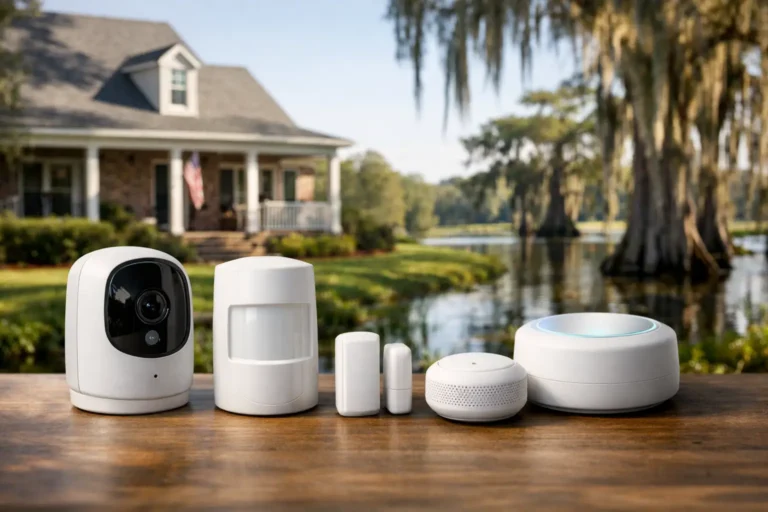
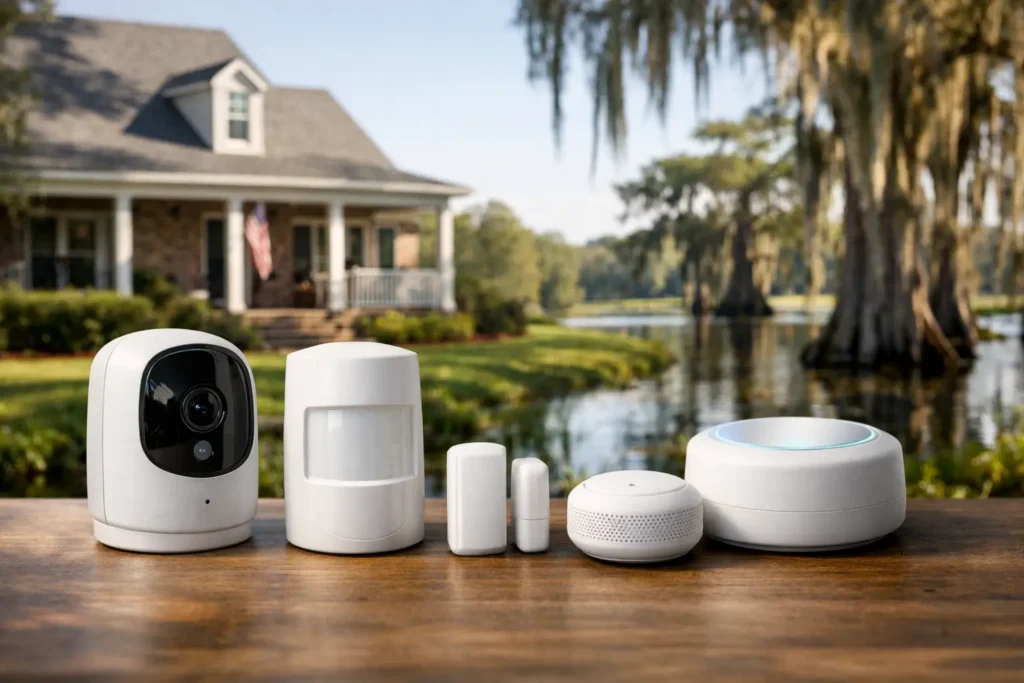
Door and window contacts are the foundation of most home security systems. These compact sensors use two pieces that separate when a protected door or window opens. When the system is armed, that opening can trigger an alarm. Even when the system is disarmed, homeowners can receive notifications when a door is opened.
Entry sensors are especially useful on front doors, back doors, garage entry doors, patio doors, and easily accessible windows. They can also bring practical peace of mind to busy households. A parent may want an alert when a child arrives home, while a property owner may want confirmation that a vacation home has remained closed and secure.
Not every window needs the same approach. Large fixed windows do not require contact sensors, while a frequently used patio door may need a sensor designed to handle regular activity. During a professional walkthrough, the installer can identify vulnerable openings without loading the home with equipment that does not add meaningful protection.
Glass Break Sensors for Rooms With Large Windows
A contact sensor only alerts you when a window or door opens. If an intruder breaks glass and reaches inside without opening the window, a glass break sensor can add another layer of detection. These sensors listen for the sound pattern associated with breaking glass and are often placed in rooms with wide windows, glass doors, or multiple accessible windows.
Glass break protection is helpful, but placement is critical. The sensor must be within its intended detection range and installed away from sources of sound that could cause nuisance alerts. Homes with large entertainment areas, tall ceilings, or heavy curtains may require a closer look at the best placement. In some situations, reinforced locks, window contacts, and outdoor lighting may be a better investment than adding glass break detection everywhere.
Motion Sensors for Interior Protection
Motion sensors detect movement within a protected area after the system is armed. They are commonly placed in main hallways, living rooms, and paths someone would likely take after entering the home. They offer broad coverage with fewer devices than trying to protect every interior room.
The trade-off is that motion sensors need careful adjustment in homes with pets. Many modern options can be set up to reduce alarms from smaller animals, but a large dog jumping on furniture or moving close to a sensor can still affect performance. A local security professional can choose the right sensor type and location so your protection fits the way your family actually lives.
Add Sensors That Address Louisiana Risks
Intrusion protection matters, but home security should also help you spot hazards that can cause expensive damage or put lives at risk. In Louisiana, where storms, humidity, and heavy rain are familiar realities, environmental sensors can be a valuable part of the system.
Smoke and carbon monoxide detectors connected to a monitored security system can send an alarm even when no one is home. This added communication is important because a standard smoke detector can only alert people close enough to hear it. The exact setup should follow the needs of the home and applicable safety requirements, especially around bedrooms, kitchens, garages, and fuel-burning appliances.
Water and flood sensors are a practical addition near water heaters, washing machines, refrigerators, sinks, HVAC equipment, and other locations where a slow leak could go unnoticed. A small amount of water detected early may prevent damaged flooring, mold concerns, or a much larger repair later. For homes that are vacant part of the year or properties managed from a distance, these alerts can be particularly useful.
Temperature sensors can also provide warning when indoor conditions fall or rise beyond a chosen range. They can help identify an HVAC issue before extreme temperatures affect pets, plants, pipes, or sensitive equipment. They are not a replacement for regular maintenance, but they give you more visibility when you are away.
Smart Sensors Should Work With Your Daily Routine
The value of smart sensors increases when they work with the rest of your security and automation system. A door opening can trigger a notification. A motion event can turn on lights. A water sensor can alert both the homeowner and a designated family member. Through smart control tools, you can check system activity and manage many settings remotely without guessing what happened at the house.
That does not mean every alert should reach every phone at every hour. Too many unnecessary notifications can cause people to ignore the ones that matter. The goal is useful information: a garage door left open, a child arriving home, a sensor reporting a low battery, or an alarm event that requires immediate attention.
A customized plan also considers how different family members use the system. Older children may need their own user codes. Caregivers may need temporary access. Homeowners may want alerts when a door is opened during certain hours but not throughout the day. These details make a system easier to use consistently, which is one of the most important parts of effective security.
Why Professional Installation Makes a Difference
Smart sensors may look simple, but their performance depends on design, placement, testing, and ongoing support. A contact sensor installed on the wrong door frame can be unreliable. A motion detector facing the wrong direction may miss an area or create false alarms. A water sensor placed several feet from the likely leak point cannot provide the early warning you expect.
Professional installation also helps make sure every device is connected correctly to the security panel, mobile controls, and monitoring service. After installation, your system should be tested and explained in plain language so you know how to arm it, respond to alerts, replace batteries when needed, and request support.
Alarm Center Security has served Louisiana communities since 1985 and has installed more than 10,000 systems. That local experience matters when you want a security provider that can evaluate your property in person, recommend only the protection you need, and be available when your system needs attention.
Choosing the Right Sensors for Your Home
Start by thinking about the events you would want to know about immediately. Most homes benefit from protected entry points and interior motion coverage. From there, add glass break detection for vulnerable rooms, smoke and carbon monoxide monitoring for life safety, and water or temperature sensors where property damage is a concern.
The right next step is an on-site conversation about your home, your routine, and the areas that concern you most. A free estimate can turn a confusing list of smart devices into a clear protection plan that helps your family feel safer every day.