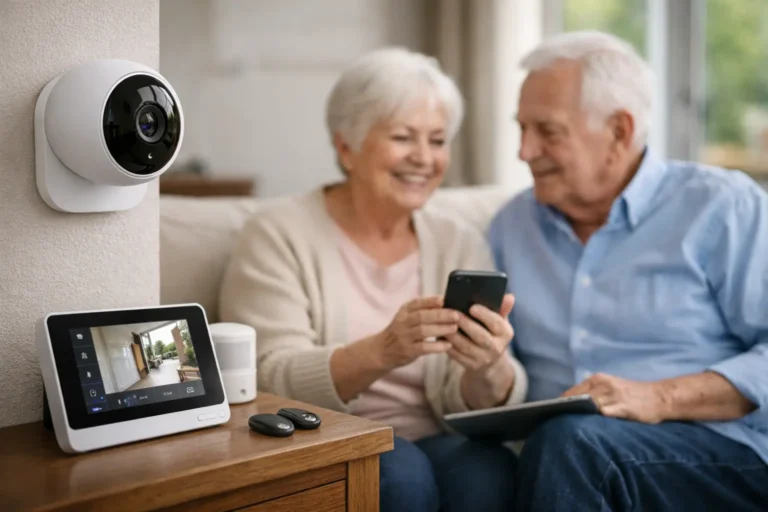
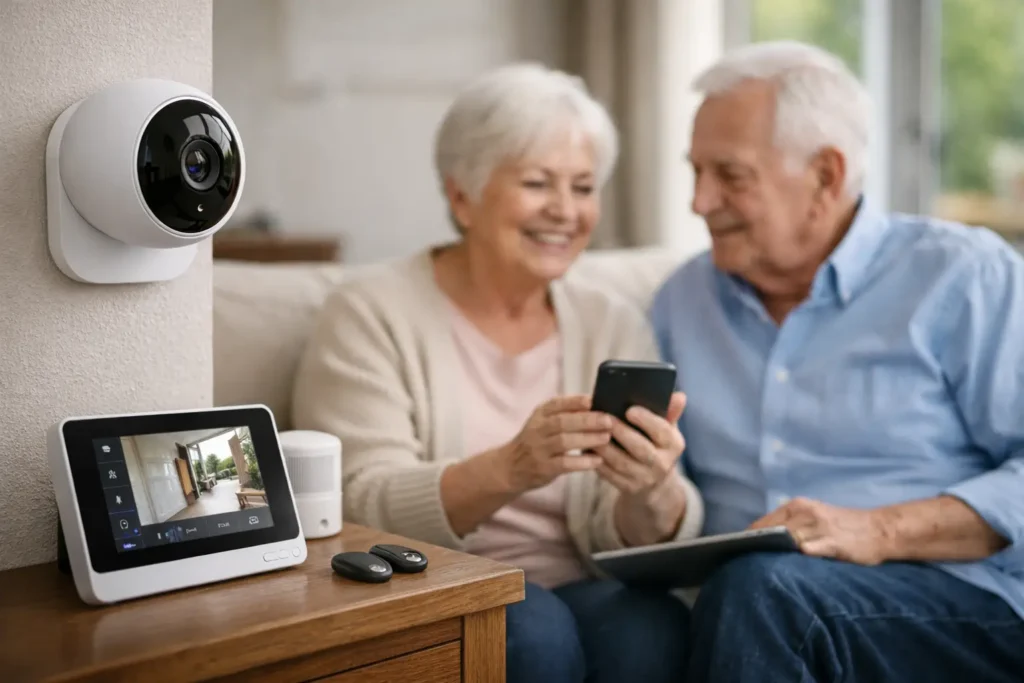
A missed call from a parent can turn an ordinary afternoon into a worrying one. For families who live across town, across Louisiana, or farther away, home security for elderly parents can provide more than intrusion protection. The right system helps a parent stay independent while giving family members meaningful visibility and a dependable response plan when something is wrong.
The goal is not to make a home feel watched or complicated. It is to make daily life safer, simpler, and more comfortable through professional installation, clear controls, and support from people who answer the phone when help is needed.
Start With the Parent, Not the Equipment
Every household has different concerns. One parent may live alone and worry about answering the door after dark. Another may have a caregiver who comes and goes during the week. A family may be concerned about a parent forgetting to lock the door, while another needs reassurance during hurricane season, power outages, or periods away from home.
Start the conversation with practical questions. Which doors are used most often? Is there a history of falls, confusion, or mobility challenges? Does the parent want to see who is at the door before opening it? Are relatives checking in from another city? These answers shape a security plan that supports independence rather than interfering with it.
A professionally designed system is especially helpful here. The equipment should fit the home and the person using it, not force them to adapt to a one-size-fits-all package.
What Home Security for Elderly Parents Should Include
A dependable system begins with monitored intrusion protection. Door and window sensors can alert a monitoring center if someone enters unexpectedly, while an easy-to-use keypad or mobile control option gives the homeowner a simple way to arm and disarm the system. When an alarm is triggered, professional monitoring can follow an established response process, even if a parent is unable to make a call.
For many families, a few added features make the largest difference.
Security Cameras at Key Entry Points
A video doorbell or exterior camera allows a parent to see who is outside without opening the door. This can be useful for deliveries, unfamiliar visitors, and unexpected service calls. Families can also receive motion or doorbell alerts, depending on the setup and permissions chosen.
Cameras should be placed thoughtfully. Exterior views of the front door, driveway, and back entry usually provide useful security coverage without creating an uncomfortable feeling inside the home. Indoor cameras may be appropriate in limited situations, such as monitoring a common area with the homeowner’s full knowledge and consent, but they should never replace regular family contact or respectful caregiving.
Smart Door Locks and Automated Lighting
Smart locks can reduce the worry of lost keys and unlocked doors. A trusted family member or caregiver may be given a unique access code instead of a spare key. That makes it easier to remove access when circumstances change and can help identify when someone arrived or left.
Automated lighting is another practical layer of protection. Lights can turn on at scheduled times, be controlled from a phone, or activate when motion is detected outside. A well-lit walkway and entry can discourage unwanted activity while also making it easier for an older adult to move safely around the property after sunset.
Emergency Buttons and Panic Features
A panic button or emergency feature can be valuable for a parent who may need help quickly. The best choice depends on the person’s health, mobility, and daily routine. A home security system is not a substitute for a dedicated medical alert device or emergency medical care, but it can be part of a larger safety plan.
Families should discuss exactly what happens when an emergency button is used, who should be contacted, and whether additional medical-alert services are needed. Clear expectations matter more than adding features that no one understands or uses.
Remote Alerts for Family Members
Smart security tools can send alerts when a door opens, a system is disarmed, or a camera detects activity. These notifications can offer reassurance, particularly when a parent has a predictable routine.
Still, alerts should be used with care. Receiving a notice every time a parent opens the back door can become stressful for everyone. Choose alerts that answer a real concern, such as an exterior door opening late at night or a camera detecting activity at an unusual time. The purpose is peace of mind, not constant monitoring.
Professional Monitoring Brings a Human Response
A camera notification is helpful, but it is not the same as having a trained monitoring center prepared to respond to an alarm event. If an intruder alarm activates and a parent does not answer the phone, professional monitoring can follow the appropriate procedures and contact emergency responders when needed.
This is one of the most important differences between a professionally monitored system and a collection of stand-alone smart devices. A self-installed camera may provide video, but it can leave family members responsible for interpreting every alert, managing connectivity, and deciding what to do under pressure.
Professional monitoring does involve a monthly service cost, and not every home needs every available device. For many families, however, that ongoing support is worth it because it creates a response plan that does not depend on one adult child noticing a phone alert immediately.
Make the System Easy Enough to Use Every Day
The best security system is the one a parent feels comfortable using. Complex apps, tiny buttons, confusing codes, and constant notifications can cause frustration. A system should have clear instructions, large and visible controls where possible, and a routine that fits naturally into the day.
Professional installation matters because details affect usability. A keypad needs to be accessible, cameras need useful angles, and motion sensors should be placed to avoid unnecessary alarms from pets or normal activity. Installers can also explain how to arm and disarm the system, test key features, and help the family decide who should receive notifications.
After installation, take time to practice. Have the parent arm and disarm the system several times. Make sure they know how to use the doorbell camera and what to do if an alarm sounds. Write down simple instructions near the keypad if that would be helpful. A familiar routine builds confidence.
Respect Privacy and Keep the Conversation Collaborative
Security decisions can feel personal, especially when an older parent values independence. Avoid presenting a system as proof that they cannot manage alone. Instead, frame it around the things they care about: answering the door with confidence, feeling secure at night, and knowing help is available if an alarm occurs.
Be open about who can view cameras, receive alerts, or use smart-lock codes. If several siblings are involved, establish boundaries early. One family member may manage the account, while others receive only important notifications. Clear access rules protect both security and family trust.
It is also wise to review the system after a life change, such as a new caregiver, a move, a hospitalization, or the loss of a house key. Update user codes promptly and remove access that is no longer needed.
A Local Security Partner Can Make the Difference
Families should not have to sort through equipment specifications alone while trying to make a thoughtful decision for someone they love. A local provider can assess the property, explain practical options, install the system correctly, and remain available for service, questions, and upgrades.
Alarm Center Security has protected Louisiana homes since 1985, with more than 10,000 installed systems. That experience helps families build personalized security plans around real homes, real routines, and the level of support that feels right for a parent.
Before choosing a system, make a short list of the moments that cause the most concern: an unexpected knock at the door, an unlocked entry at night, a parent who cannot reach the phone, or a caregiver arriving while family is away. Those everyday moments are where the right protection plan can offer the greatest comfort – and help your parent continue living at home with confidence.