A security system should make life easier when something goes wrong, not leave you wondering whether anyone is answering the phone. The top reasons to switch alarm providers usually become clear during a service issue, a move, an equipment upgrade, or an alarm event that does not receive the response you expected. If your current company is difficult to reach, slow to repair problems, or unable to support the way you live or operate your business, it may be time to look for a better fit.
Changing providers is not only about finding a lower monthly rate. It is about choosing dependable monitoring, equipment that works with your needs, and real people who can help when security cannot wait.
Top Reasons to Switch Alarm Providers
Your current provider is hard to reach
A security provider earns trust long after installation day. When a panel beeps unexpectedly, a camera goes offline, an employee needs access changed, or you have questions about a bill, you should be able to reach a knowledgeable person without spending hours on hold.
Large national providers can offer broad coverage, but their service process may feel distant or impersonal. For Louisiana homeowners and business owners, local support can make a meaningful difference. A provider familiar with the area, the weather, and the needs of local properties can often provide more direct communication and practical guidance.
If you regularly receive automated messages instead of helpful answers, or service appointments are difficult to schedule, those are reasonable reasons to reassess your provider. Security technology is only useful when support is available behind it.
Your equipment is outdated or no longer meets your needs
Security needs change. A basic burglar alarm that made sense years ago may not give you the visibility or control you want now. You may want to check cameras from your phone, receive activity alerts, control door locks remotely, or know when your business opens and closes each day.
Older systems can sometimes remain in place, but they may have limited expansion options, discontinued components, or communication methods that are no longer ideal. A provider should be able to evaluate the equipment you have and explain your choices plainly. In some cases, an upgrade can use portions of your existing wiring or devices. In others, replacing aging equipment may be the more dependable long-term choice.
The right recommendation depends on the property, the condition of the current system, and how you plan to use it. A trustworthy provider will not push features you do not need. They will help you build a system around the doors, windows, cameras, access points, and daily routines that matter most.
You want reliable professional monitoring
Self-monitoring alerts can be useful, especially when you are away from home or managing a business after hours. But app notifications alone are not the same as professional monitoring. You may miss an alert while driving, sleeping, in a meeting, or without cell service.
With professional monitoring, trained operators can respond to qualifying alarm signals and follow the response procedures established for your account. That added layer of support can be especially valuable for families, older relatives, vacant properties, and businesses with inventory or employees on-site.
When comparing providers, ask how monitoring works, what types of signals are monitored, and who can be contacted in an emergency. Also ask whether your system has a dependable cellular communication path rather than relying only on a traditional phone line or home internet connection. Clear answers matter more than vague promises.
Service calls take too long
A faulty sensor, low battery message, damaged camera cable, or unreliable keypad can become more than an inconvenience. It can create uncertainty about whether your system will work when it is needed. Delayed service is one of the clearest signs that your provider may not be keeping up with your needs.
Fast service does not always mean every issue can be solved immediately. Some repairs require replacement parts, site visits, or troubleshooting to identify the real cause. What matters is that your provider communicates clearly, schedules service responsibly, and treats a security concern with appropriate urgency.
For commercial properties, delays can affect operations as well as security. A business may need a new employee code, a door schedule adjusted, or a camera restored before a busy weekend. A provider that understands your business priorities can help reduce disruption.
Your system was never designed for your property
Many security frustrations begin with a one-size-fits-all installation. A system may have too few detection points, cameras positioned for poor visibility, or controls that are confusing for the people who use them every day. The result is often false alarms, blind spots, and equipment that gets ignored.
A better provider starts with a conversation and a site assessment. For a home, that may include entry doors, accessible windows, garages, pets, outdoor areas, and the times the house is usually empty. For a business, it may include customer entrances, employee-only doors, stockrooms, cash-handling areas, loading zones, and closing procedures.
Professional installation is important because placement and setup affect performance. A camera mounted too high may miss faces. A motion detector placed without considering pets or airflow may create unnecessary alarms. Proper design helps you protect the property without making daily life more complicated.
When Smart Security Is a Reason to Switch
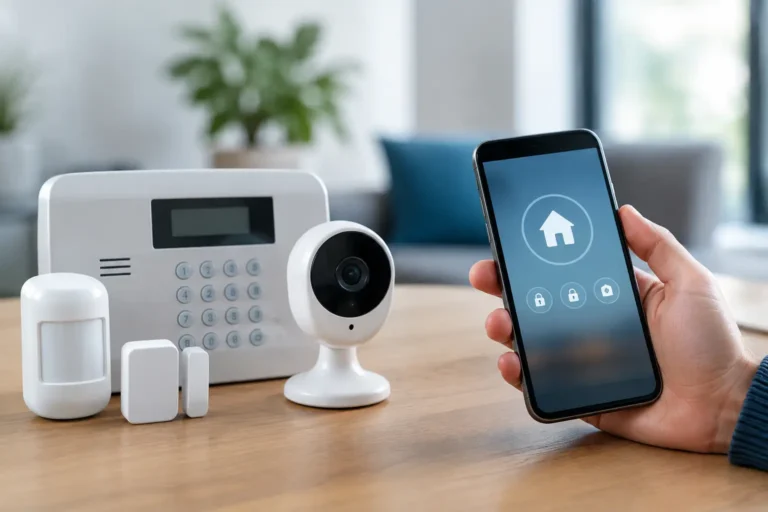
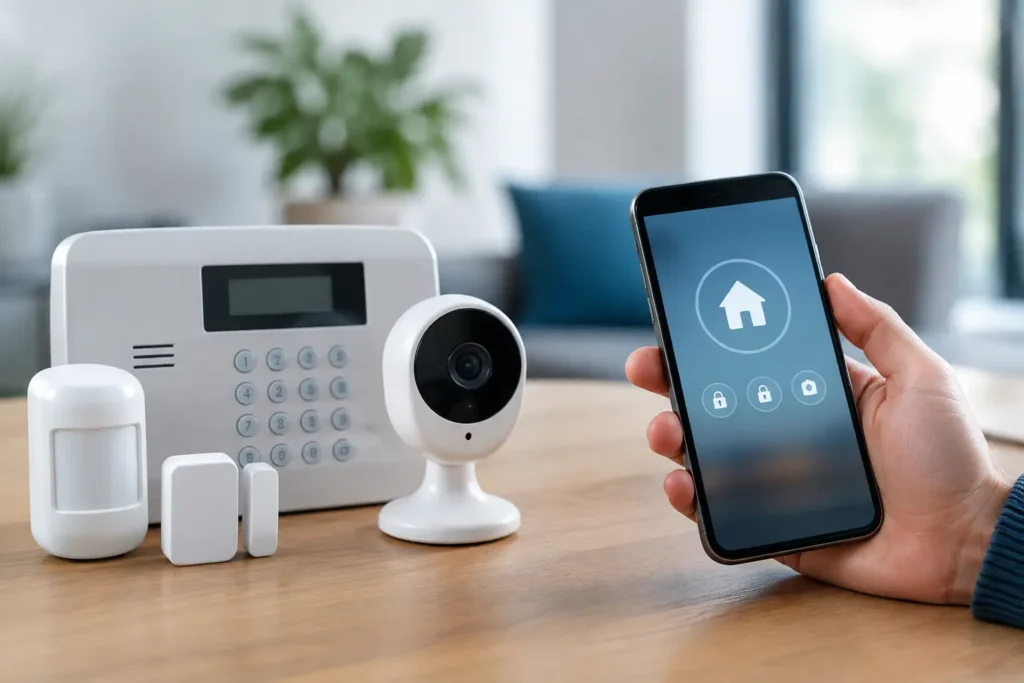
Smart security is not about adding technology for its own sake. It is about having useful control when you are not standing at the keypad. Through compatible smart control tools, homeowners can receive alerts, check video, arm or disarm the system, and manage selected connected devices from a mobile app. Business operators can monitor activity across locations, review video, and maintain better awareness of opening and closing activity.
These features can be particularly useful during travel, school pickup, storm season, or the long hours that come with running a business. If a child arrives home, a delivery is made, or an employee opens a location early, you can have more visibility without being physically present.
Still, not every property needs every connected feature. More devices can mean more settings to manage, and video storage options may affect monthly costs. A good security provider will walk you through the practical value of each option, teach you how to use it, and remain available when you need help later.
You are paying for service you do not receive
Monthly monitoring is an ongoing investment in protection and support. If your bill has increased without a clear explanation, your account details are hard to update, or you are paying for features that no longer work, request a review of your service.
Price should not be the only deciding factor. A lower rate can come with reduced support, limited equipment choices, or a long-term agreement that does not fit your plans. At the same time, you should understand exactly what your monthly payment includes: monitoring, cellular communication, app access, video services, warranties, and any service plan coverage.
Before making a change, ask for written information about your current agreement and any cancellation requirements. Confirm whether equipment is owned, leased, or tied to the existing provider. This step helps prevent surprises and makes it easier to compare offers fairly.
You need a provider that knows your community
Security is personal. You are protecting the people who sleep in your home, work in your building, visit your business, and depend on you to make sound decisions. That is why many property owners prefer a provider with a local presence and a reputation built over time.
A local company can offer the accountability of doing business in the same communities it serves. At Alarm Center Security, that commitment is backed by Louisiana experience since 1985 and more than 10,000 installed systems. The goal is not simply to sell equipment, but to provide a protection plan, professional installation, monitoring, and continuing support that fit the property and the people using it.
What to Ask Before You Make the Change
Start by requesting an assessment of your current system and your present security goals. Explain what is not working, whether you want to keep any existing equipment, and what has changed since the system was installed. A growing family, a new addition, a move to a larger office, or a new inventory area can all change the right security plan.
Ask who will install and service the system, how monitoring is handled, what happens after an alarm signal, and how technical support is provided. If cameras or smart controls are part of the plan, ask for a demonstration before you commit. You should know how to arm the system, review alerts, manage users, and get help when questions arise.
Finally, choose the provider that gives you confidence, not pressure. The right relationship should feel clear from the first conversation: practical recommendations, straightforward expectations, and a team ready to support you after installation. A free estimate is a useful first step toward protection that works the way your home or business does.