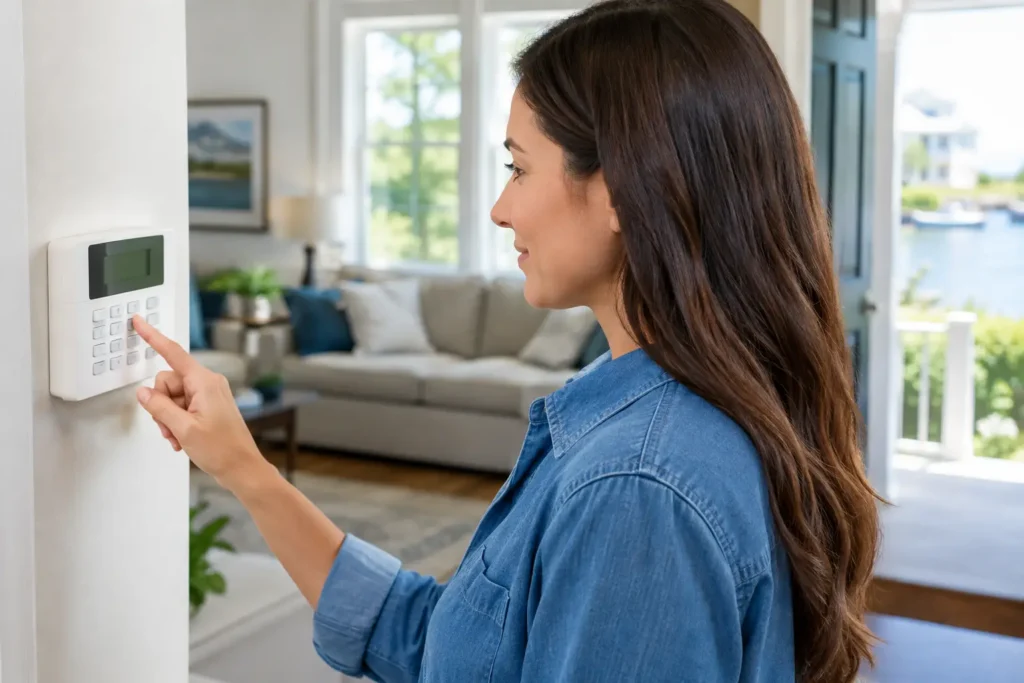
A false alarm at 2:00 a.m. can turn a quiet night into a stressful one. Your monitoring center must treat every alarm signal seriously, and local emergency responders may be dispatched when there is no valid cancellation. These false alarm prevention tips can help Louisiana homeowners and business owners avoid unnecessary calls while keeping their systems ready to respond to a real threat.
False alarms are usually preventable. They often come from a rushed exit, an unlocked door, a pet moving through an unprotected area, a low battery, or a family member who was never shown how to use the system. A professionally installed security system gives you a strong foundation, but daily habits and regular attention make a meaningful difference.
Why false alarms deserve attention
An alarm system is designed to react quickly when something is wrong. That responsiveness is exactly what protects your family, employees, property, and peace of mind. The goal is not to make the system less sensitive. It is to make sure everyone who uses it understands how to arm, disarm, and respond correctly.
For businesses, preventable alarms can also interrupt operations and distract managers from customers and employees. For homeowners, they can create worry for relatives, neighbors, and anyone listed as an emergency contact. A few simple procedures can reduce those disruptions.
10 false alarm prevention tips that work
1. Make sure every user knows the system
Anyone with a code or app access should know how to arm and disarm the system, cancel an accidental alarm, and contact the monitoring center if needed. That includes spouses, older children, trusted caregivers, house sitters, employees, and managers.
Do not assume someone will figure it out during a stressful moment. Take a few minutes to walk each user through the keypad or mobile app while you are present. For a business, build this training into new employee onboarding and review it when responsibilities change.
2. Use separate codes instead of sharing one code
Individual user codes make daily security easier to manage. You can remove access for a former employee, contractor, or houseguest without changing the code for everyone else. They also help identify whether a recurring false alarm is connected to a particular user or routine.
Avoid easy-to-guess codes such as birthdays, street numbers, or 1234. Keep codes private, especially in a workplace where they should never be written beside the keypad or shared through an unsecured message.
3. Know your entry and exit delay
Most professionally monitored systems allow a brief period to leave after arming and to disarm after entering through a designated door. False alarms can happen when a person forgets the system is armed, enters through the wrong door, or takes longer than expected to reach the keypad.
Choose an entry delay that fits your property and normal routine. A longer delay can be helpful in a larger home or business, but it also gives an intruder more time before the alarm sounds. Your security professional can help you find the right balance instead of simply extending every timer.
4. Close and secure doors and windows before arming
A partially closed door or window can trigger trouble alerts or lead to confusion when you try to arm the system. Before leaving, make a quick check of protected doors, windows, and garage access points. This is especially useful after guests visit, children play outside, or deliveries arrive.
If your system repeatedly reports the same opening, do not bypass it indefinitely. The contact may be misaligned, damaged, or affected by a loose frame. A service visit can correct the issue and restore full protection.
5. Keep pets away from motion-protected areas
Pet-friendly motion detectors are designed to reduce alarms caused by normal animal movement, but placement and pet behavior still matter. A large dog jumping onto furniture, several pets moving together, or a cat climbing near a detector can sometimes create a problem.
Keep pets out of rooms protected by interior motion sensors when the system is armed in away mode. If that does not work for your household, ask about adjustments to detector placement or protection settings. Never cover, move, or disable a sensor on your own without professional guidance.
6. Watch for environmental triggers
Louisiana weather can be hard on a property. Strong thunderstorms, wind-driven doors, shifting window frames, power interruptions, and high humidity can expose issues that are not obvious on a calm day. Outdoor cameras, gates, and detached buildings deserve extra attention after severe weather.
Inside, keep air vents, fans, hanging decorations, and tall plants away from motion detectors. A loose balloon or decoration moving in the airflow may seem harmless, but it can create unexpected activity in a protected space.
7. Replace batteries and address trouble signals promptly
Your security system will often warn you before a device battery fails. Treat low-battery and communication alerts as maintenance needs, not messages to ignore. A weak battery can cause a sensor to report inconsistently or stop communicating when you need it most.
Use the recommended battery type for each device, and follow the instructions provided for your system. If a trouble signal returns after a battery change, contact your security provider. The issue may be a sensor, wiring, panel, or communication concern rather than the battery itself.
8. Keep the keypad and app instructions accessible
During an accidental activation, people can forget even familiar steps. Keep clear instructions available for household members or designated business staff. They should know how to disarm the system and what information the monitoring center may request to verify the account.
Mobile control can be particularly helpful when you need to confirm whether a system is armed, check activity, or manage authorized users remotely. It should support good security habits, not replace them. Make sure app access is protected with a strong password and removed when a person no longer needs it.
9. Update your contact list and call list
Monitoring only works as intended when account information is current. If you change phone numbers, add a manager, hire a new keyholder, or have someone move out, update your emergency contacts right away.
Tell the people on your call list what to expect. They should recognize the monitoring center’s call, know the verbal passcode or verification process, and understand when to request emergency dispatch. A missed call from an unfamiliar number can turn a manageable event into an unnecessary response.
10. Schedule service when patterns appear
One accidental alarm may be a simple mistake. Repeated alarms from the same door, sensor, camera area, or user are a reason to investigate. Do not rely on workarounds such as leaving a zone bypassed for weeks at a time.
Professional service can identify issues with device placement, sensor alignment, aging equipment, communication paths, or how the system is being used. Alarm Center Security has helped Louisiana families and businesses protect their properties since 1985, and a technician can explain the cause in clear, practical terms.
Practice your response before an alarm happens
A short practice session is one of the most effective ways to prevent false alarms. Once or twice a year, review the normal arrival and departure routine with everyone who uses the property. For businesses, include opening and closing procedures, employee access, delivery schedules, and after-hours cleaning crews.
Also review what to do if an alarm is activated by mistake. The first step is usually to disarm the system immediately. Then answer the monitoring center’s call and provide the required verification information. Do not assume the alarm is canceled just because the siren stopped. If you are unsure, call for assistance and confirm that the event has been handled.
A safer system starts with everyday habits
The best false alarm prevention plan is practical enough to follow on busy mornings, late work nights, and stormy Louisiana afternoons. Give every user the training they need, respond to system alerts early, and ask for service when something does not seem right. That small amount of attention helps preserve the fast, dependable response you want when a real emergency occurs.