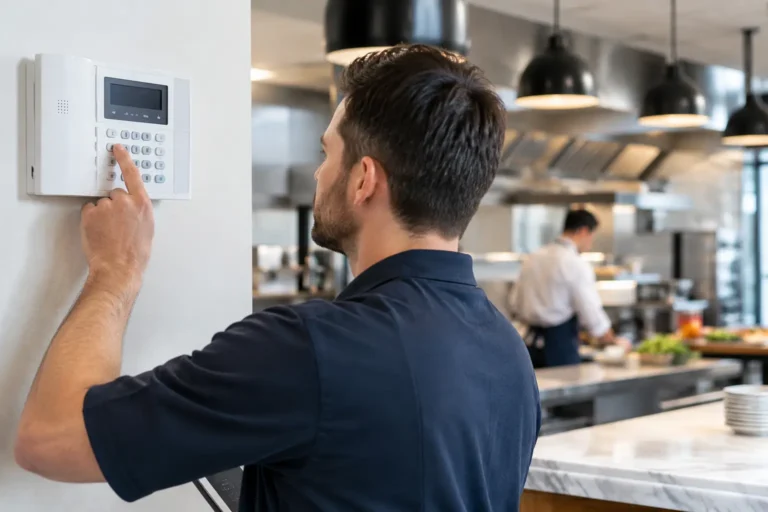
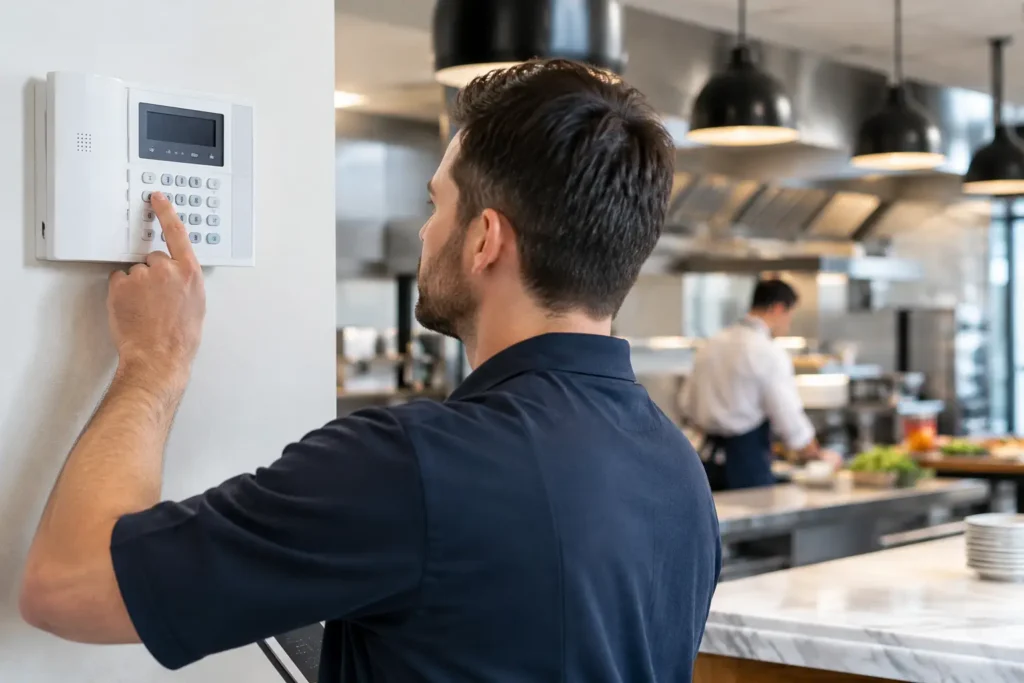
The last person leaving a restaurant often has a lot on their mind: locking the back door, setting the alarm, checking the kitchen, and getting home after a long shift. A restaurant alarm upgrade can make that closing routine more dependable while giving owners greater visibility into who comes and goes, what happens after hours, and whether the building is protected when no one is there.
For Louisiana restaurant owners, security is not just about protecting equipment. It is about protecting employees, cash, inventory, customer information, and the ability to open for business the next day. An older alarm panel or a system that relies on outdated phone lines may still appear to work, but it may not provide the communication, control, or support a busy restaurant needs.
Signs Your Restaurant Has Outgrown Its Alarm System
A restaurant alarm system should fit the way your business operates now, not the way it operated when it was installed. If your team has expanded, your hours have changed, or you have added delivery access, outdoor storage, additional entrances, or another location, your original setup may no longer cover the right risks.
One of the clearest warning signs is an alarm system that is difficult to manage. If managers share one code, former employees may still know how to disarm the system, or staff members regularly forget to arm it, the system is not giving you the accountability you need. Individual user codes and scheduled reports can help owners see who opened or closed the restaurant and when.
Communication problems are another reason to review your equipment. Traditional landline systems can be vulnerable if a line is cut or disrupted. Modern systems can use cellular communication to send alarm signals to a professional monitoring center, which adds another layer of reliability when an intrusion or emergency occurs.
Frequent false alarms deserve attention, too. They can disrupt operations, frustrate staff, and create unnecessary concern. False alarms do not always mean the system needs to be replaced. Sometimes sensors need adjustment, procedures need to be clarified, or equipment needs service. A professional assessment can identify whether a repair, a reconfiguration, or a full upgrade is the better investment.
What a Restaurant Alarm Upgrade Should Address
Restaurants have a different security profile than a typical office. There may be several doors, late-night closing hours, high-value equipment, alcohol storage, cash handling areas, and a rotating staff. The best system design considers those details instead of treating every commercial building the same.
Protect the points that matter most
An upgraded intrusion system commonly focuses on exterior doors, delivery entrances, rear exits, windows, storage rooms, offices, and areas where cash or valuables are kept. Motion detection can provide additional coverage inside the building, especially in dining areas, hallways, and spaces that would otherwise be difficult to secure with door and window contacts alone.
The right coverage depends on the layout. A quick-service restaurant with a drive-through has different concerns than a full-service restaurant with a bar, patio, private event room, and multiple employee entrances. A local security professional should walk the property and identify gaps rather than relying on a standard package.
Give owners better control over access
Knowing that the alarm was disarmed is useful. Knowing who disarmed it can be even more valuable. Individual codes can be assigned to managers, keyholders, and authorized employees, then removed when responsibilities change. That reduces the risk of a former employee retaining access simply because no one remembered to change a shared code.
For restaurants with multiple managers or changing schedules, remote control can simplify daily operations. Authorized users may be able to arm or disarm the system from a mobile device, receive activity notifications, and check whether the building was secured after closing. Remote access should be managed carefully, with clear rules about who has authority to control the system.
Connect alarms with cameras and business activity
An alarm system and a camera system serve different purposes, but they work well together. An alarm can alert a monitoring center to a possible break-in. Cameras can help show what is happening at the door, register area, back hallway, or parking lot.
This combination can also help owners investigate operational questions. If a door is opened outside normal hours or an alarm event occurs, recorded video may provide useful context. Cameras should be placed thoughtfully, with attention to entrances, registers, loading areas, safes, and exterior approaches. They should never be treated as a substitute for trained staff procedures or proper access management.
Professional Monitoring Changes the Response
A loud siren can discourage an intruder, but it cannot make a call for help on its own. Professional monitoring means alarm signals are received by trained personnel who can follow the response plan established for your business. Depending on the event and the agreed procedures, that may include contacting designated keyholders or requesting emergency response.
This matters when a restaurant is closed, when an owner is away, or when managers are not in a position to respond safely. It also gives business owners a more dependable plan than asking an employee to investigate a late-night alert alone.
Monitoring is only as useful as the information connected to the account. Keep emergency contacts current, make sure managers understand the verification process, and review your call list whenever staffing changes. An upgrade is a good opportunity to confirm those details.
Plan for Restaurant Operations, Not Just Security Equipment
The best time to plan an upgrade is before equipment fails or a security event exposes a weakness. Still, installation does not have to interrupt service when it is properly planned. Many restaurants schedule work during slower periods, before opening, after closing, or during planned maintenance windows.
A professional installer can evaluate existing wiring, determine whether wireless devices make sense, and help preserve coverage during the transition. Wireless equipment can reduce the need to run new wire in finished areas, but wired devices may still be preferred in certain locations. The right choice depends on building construction, signal conditions, equipment placement, and the reliability needed for each protected point.
Cost also depends on the size and condition of the property. A small café with one entry and a single office may need a modest upgrade. A large restaurant with a bar, outdoor seating, multiple exits, storage areas, cameras, and several managers will require more planning. The goal is not to add technology for its own sake. It is to build a protection plan that supports daily operations and addresses real vulnerabilities.
Questions to Ask Before You Upgrade
Before selecting new equipment, consider where your current system falls short. Are employees entering through an unprotected rear door? Are keys and codes being passed around? Do you know whether the restaurant was armed at closing? Can you receive an alert if an alarm occurs while you are off-site?
It also helps to think through your response plan. Decide who should receive notifications, who can cancel a false alarm, who has authority to access video, and how quickly access should be removed when an employee leaves. Security technology works best when those policies are clear and staff members know what to do.
A site visit can reveal concerns that are easy to miss during a phone conversation, such as a poorly lit side entrance, a door that does not close consistently, or a camera view blocked by signage. Alarm Center Security has served Louisiana customers since 1985, and a locally designed system can account for the practical details that affect a restaurant every day.
A restaurant runs on routines. When the last employee locks up, your security system should support that routine with clear control, reliable communication, and help that is available when it is needed. A thoughtful upgrade gives owners one less uncertainty to carry into the end of a long shift.