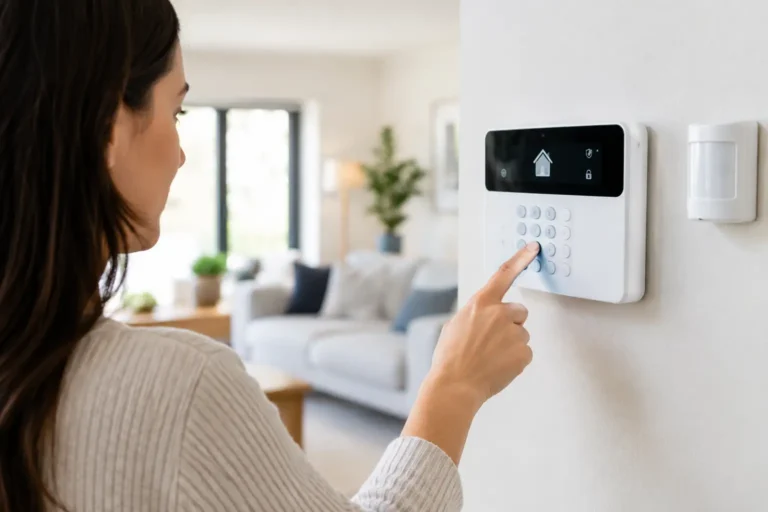

A 2:00 a.m. alarm is supposed to get your attention. But when it turns out to be a loose door, a wandering pet, or a keypad mistake, it can leave everyone shaken and make it harder to trust the system next time. Alarm false triggers are frustrating, but most have a clear cause and can be reduced with the right equipment, installation, settings, and habits.
For Louisiana homeowners and business owners, the goal is not simply to make an alarm quieter. It is to maintain dependable protection without unnecessary calls, interrupted sleep, or avoidable dispatches. A professionally designed system can help your property stay protected while giving you practical control over how it works every day.
What causes alarm false triggers?
A false trigger happens when an alarm system detects activity that appears to be a threat but is actually harmless. The cause may be environmental, mechanical, or related to how the system is used. Finding the reason matters because turning down sensitivity or disabling a device without understanding the issue can create a real security gap.
Doors and windows that do not close securely
Contact sensors work by recognizing when a protected door or window opens. A misaligned sensor, weak magnet, loose mounting surface, or door that shifts in its frame can cause the system to read an opening when no one has entered.
Louisiana heat, humidity, storms, and normal settling can all affect doors and windows over time. If one opening repeatedly causes trouble, the issue may be as simple as adjusting the contact or repairing the door hardware. It should not be ignored just because the alarm eventually resets.
Motion detectors and changing room conditions
Motion sensors are designed to identify movement within a protected area. They can be affected by direct sunlight, moving curtains, ceiling fans, air vents, reflective surfaces, or decorations that shift when the HVAC system turns on.
Pets are another common factor. Pet-friendly motion detectors can help, but they are not a reason to place a sensor wherever a dog or cat can repeatedly jump, climb, or pass close to it. Sensor location, mounting height, and the size and behavior of the pet all matter.
User errors at the keypad or app
Many false alarms occur during everyday routines. Someone may open a door before disarming the system, enter the wrong code, forget that a delayed entry point has changed, or arm the system while another family member is still outside.
Businesses face similar challenges during opening and closing. Employees may not know the correct procedure, a manager may change schedules without updating authorized users, or a delivery person may enter through an unplanned door. Clear training and assigned user codes make a meaningful difference.
Low batteries, aging equipment, and communication problems
Low sensor batteries do not always create a full alarm, but they can lead to trouble signals or inconsistent device performance. Older equipment, damaged wiring, and equipment exposed to moisture or insects can also need attention.
A professional technician can distinguish between a simple maintenance need and a larger system issue. That protects against the temptation to bypass a device that may still be needed for real intrusion detection.
How to reduce alarm false triggers without reducing protection
The best approach is targeted. Rather than changing every setting after one incident, review the event, identify the device involved, and correct the underlying cause. This keeps security coverage in place while improving day-to-day reliability.
Start with a professional system design
An alarm should fit the property, not the other way around. A home with large pets, active children, multiple exterior doors, or a detached garage has different needs than a small office with fixed hours and limited access points.
Professional installation helps ensure contacts are aligned, motion detectors are placed correctly, and control equipment is easy for the people who will use it. It also allows for a conversation about daily routines: who comes and goes, which doors are used most often, and which areas need protection after hours.
This is one reason a local provider can be valuable. Alarm Center Security has installed more than 10,000 systems across Louisiana and can help customers evaluate whether a recurring issue is caused by the device, the environment, or the way the system is configured.
Use the right sensor for the space
Not every space should be protected the same way. A motion detector may work well in an interior hallway, while a door contact is often better for a frequently used exterior door. Glass-break detection can be appropriate in selected rooms, but it should be installed and tested in the right location.
For businesses, consider how employees, cleaning crews, vendors, and managers move through the building. Separating areas into practical zones can allow a business to protect a stockroom or office while staff continue working elsewhere. The right design reduces both unnecessary alarms and inconvenient workarounds.
Keep sensors clear and secure
Make a habit of checking protected doors and windows for loose hardware, damaged frames, and poor alignment. Do not hang items from sensor equipment or place furniture where it can bump a motion detector. If you redecorate, replace window coverings, or add a ceiling fan, consider whether the change affects a nearby device.
For outdoor cameras and security equipment, trim vegetation that may move in front of a camera view or cause repeated activity alerts. Camera notifications are different from a burglary alarm, but excessive alerts can still cause people to ignore something important. Smart notification settings can help focus attention on the events that matter.
Give every user a clear routine
A security system works best when everyone knows what to do. Family members should understand how to disarm the system, which door to use when it is armed, and how much time they have to enter or exit. Avoid sharing one code among everyone in the household. Individual user codes create clearer accountability and are easier to remove when needed.
Business owners should train staff during onboarding and whenever procedures change. Confirm who has authority to arm and disarm the system, who receives alarm notifications, and who should be contacted if an alarm occurs. Written opening and closing procedures are especially helpful for businesses with several employees or changing shifts.
Review smart settings with care
Modern security systems can send alerts, allow remote arming and disarming, and provide activity information through a mobile app. These tools are useful, but notification preferences should be set thoughtfully. Too many noncritical alerts can create alert fatigue. Too few can leave you without the information you need.
Entry and exit delays should also fit the property. A delay that is too short can lead to accidental alarms. A delay that is too long may give an intruder additional time after entering. There is no one-size-fits-all answer, which is why a technician should help set reasonable timing for your home or business.
What to do after an alarm event
When an alarm activates, first make sure everyone is safe. If there is any sign of forced entry, fire, medical danger, or an active threat, move to a safe location and contact emergency services. Do not reenter a property to investigate a possible crime.
If the event appears accidental, disarm the system using your authorized code and follow the instructions from your monitoring provider. Then take a few minutes to note what happened. Which device activated? Was a door left ajar? Did a pet enter a protected room? Did someone use the wrong code or forget the system was armed?
That information helps a service professional diagnose the problem quickly. A single event may be a simple mistake. Repeated events from the same sensor, however, deserve attention. Waiting until a device fails completely can leave your property exposed when you need protection most.
When it is time to schedule service
Call for service when a sensor repeatedly reports trouble, a door or window zone activates without a clear reason, the keypad shows a recurring error, or the system behaves differently after a storm, renovation, or power outage. It is also wise to request a review after major changes at the property, such as adopting a large pet, remodeling a room, changing business hours, or bringing on new staff.
Professional support is about more than fixing a false alarm. It is an opportunity to confirm that your system still matches the way you live or work. With regular attention and responsive local service, your alarm can remain what it should be: a dependable signal when something truly needs your attention.