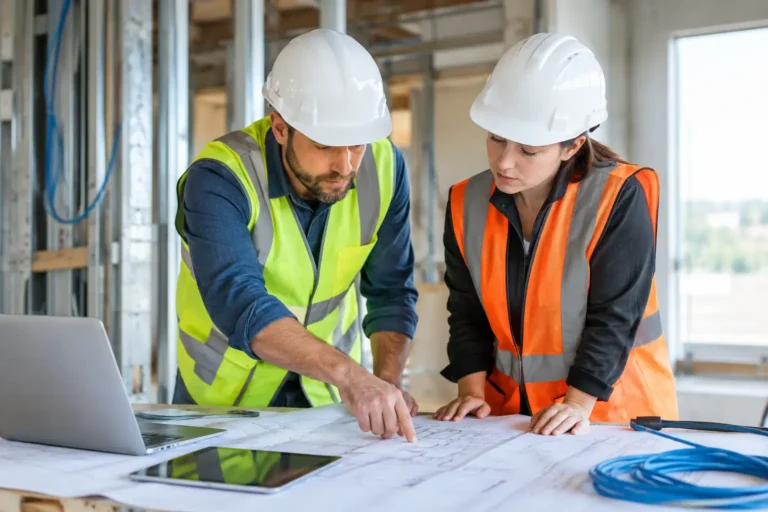

The best time to plan a security system is when the walls are open and every wire can go exactly where it belongs. New construction low voltage planning gives homeowners and business owners a practical chance to prepare for security, cameras, dependable connectivity, and smart controls before drywall, paint, and finished ceilings make changes more expensive.
A well-planned prewire is not about filling a building with technology for technology’s sake. It is about making sure the protection and convenience you want are possible without visible cables, unnecessary repairs, or costly compromises later. Whether you are building a family home, a rental property, an office, or a retail location, early coordination helps create a system that fits how the property will actually be used.
Why Low Voltage Planning Belongs in the Build Schedule
Low voltage wiring carries the signals used by systems such as alarm devices, cameras, doorbells, access control, audio, data networking, and automation equipment. It is different from the electrical wiring that powers lights and outlets, but it needs the same kind of early attention.
After the framing is complete, an installer can run cabling through walls, ceilings, and attic spaces while access is still easy. Once drywall is installed, adding a camera cable or keypad wire may require cutting, patching, and repainting. In some cases, a desired location simply becomes impractical.
Early planning also gives your builder, electrician, and security professional time to coordinate. Electrical outlets may be needed near networking equipment or exterior camera locations. Conduit may be useful for a gate, detached building, or future equipment upgrade. A clear plan prevents one trade from blocking access another trade needs.
For Louisiana properties, it also pays to think about weather, heat, and exterior exposure. Cameras, doorbells, gates, and network equipment need placement that supports good visibility and long-term performance. A device installed too high, too low, or directly into harsh afternoon sun may not deliver the view you expected.
What New Construction Low Voltage Planning Should Cover
Every property has different priorities. A young family may want door and window protection, a video doorbell, a few exterior cameras, and app-based control. A business may need monitored intrusion protection, employee access management, opening and closing reports, and camera coverage for entrances, registers, inventory areas, or parking lots.
The planning conversation should begin with daily routines and real risks, not a generic equipment package. Consider who comes and goes, which entries are used most often, where valuables are stored, and which parts of the property need visibility after hours.
A complete low voltage plan often considers these areas:
- Security wiring for doors, windows, motion detection, glass-break detection, keypads, and alarm communication equipment
- Camera wiring for entry points, driveways, garages, side yards, loading areas, sales floors, and other priority views
- Network wiring for Wi-Fi access points, workstations, televisions, smart devices, and camera connections
- Access control wiring for controlled doors, gates, credential readers, intercoms, and electric locks
- Future-ready pathways, such as conduit or extra cable runs, for spaces that may change later
Not every building needs every item on this list. A smaller home may be well served by focused alarm and camera coverage. A larger property may benefit from additional network access points and strategically placed conduit. The right scope depends on the building layout, budget, and the level of protection you want from day one.
Plan Around Rooms, Entrances, and Everyday Use
A floor plan can look very different once furniture, vehicles, landscaping, shelving, and people are in place. That is why device placement should be discussed in practical terms.
At home, think beyond the front door. Garage entry doors, doors from a patio or pool area, and less-visible side entrances can be just as important. A camera should capture a useful face-level view of a visitor or vehicle activity, not simply a wide shot of the top of someone’s head. Interior devices should account for pets, ceiling heights, window treatments, and the way the family moves through the home.
For businesses, start with the opening and closing routine. Which employees need access? Does a manager need to see activity at a back door? Are deliveries made at a separate entrance? Should an alarm user receive notifications when the system is armed or disarmed? Planning these details early creates security that supports operations instead of slowing them down.
Give Your Network the Attention It Deserves
Security cameras, smart locks, video doorbells, and automation devices rely on a stable network. Wi-Fi alone can be a good fit for some devices, but wired connections are often the better choice for fixed cameras, access points, and equipment that needs consistent performance.
During construction, cable can be run to central locations where Wi-Fi access points will provide better coverage. This matters in larger homes, metal buildings, offices with multiple rooms, and properties where exterior cameras are far from the main internet connection. A strong plan also includes a sensible location for the network and security equipment, preferably an accessible, protected area with available power and enough room for future service.
Do not assume that a single router in a closet will cover every corner of a finished building. Building materials, square footage, outdoor spaces, and the number of connected devices all affect coverage. Planning for data wiring now can prevent frustrating dead zones later.
Security Prewire: What Is Worth Doing Before Drywall
A security prewire provides options. Even if you do not install every device immediately, the right cabling can make future additions cleaner and more affordable. Door and window contacts can be planned for priority openings, while wiring can be prepared for keypads, alarm panels, sirens, and selected sensors.
Camera locations deserve special care. Exterior cameras are most effective when they are positioned to cover approaches to the property and key activity areas. That may include the driveway, front entry, rear patio, garage, side gate, or a business’s employee entrance. The goal is useful coverage, not simply the highest possible number of cameras.
Avoid placing cameras where a porch light, reflective surface, or direct sunlight will overwhelm the image. Also consider landscaping growth. A small tree may not affect a camera view today, but a mature branch can become a problem within a few seasons.
If your property includes a gate, detached garage, workshop, pool house, or planned outdoor kitchen, bring it up before construction reaches those areas. Trenching or adding conduit after concrete, landscaping, and fencing are complete is possible, but it is rarely the easy option.
Avoid the Most Common Planning Mistakes
The most expensive mistake is waiting until the final walkthrough to think about security and connectivity. By then, the choices are often limited to surface-mounted equipment, wireless workarounds, or added construction work.
Another common issue is planning only for current needs. A home office may become a nursery, a bonus room may become a media room, or a growing business may add staff and restricted areas. You do not need to overbuild, but a few well-placed cable runs or conduit pathways can protect your options.
It is also wise to avoid choosing device locations solely from a floor plan. Site conditions matter. Driveway angles, street traffic, neighboring structures, exterior lighting, and landscaping all affect camera coverage. A professional walk-through and plan review can identify concerns before they become permanent.
Finally, do not leave low voltage coordination to chance. Your builder may manage the construction schedule, but a security professional should confirm locations, cable routes, equipment space, and timing before walls are closed.
A Practical Process for Builders and Property Owners
Start the conversation as soon as you have a floor plan and a general idea of how the property will be used. Share priorities, such as monitored security, video verification, remote app control, employee access, or coverage of a particular entry or asset.
Next, review the plans with the security and low voltage team before prewire begins. This is the time to identify equipment locations, discuss camera views, and decide where wiring should be run. If there are features planned for a later phase, such as a gate or detached structure, ask whether conduit or cabling should be included now.
After the prewire is installed, document the wire locations and label runs clearly. This makes installation, service, and future upgrades much easier. Once the building is finished, devices can be installed, tested, and configured around the owner’s real routines.
Alarm Center Security has helped Louisiana property owners protect homes and businesses since 1985. A local team can coordinate with your builder, recommend a plan based on the property rather than a one-size-fits-all package, and remain available after installation for monitoring, service, and support.
Before drywall goes up, take one more look at the places that matter most: the doors your family uses, the areas where your business opens and closes, and the spaces you may want to protect next year. That small step can give your finished property a safer, more useful foundation for years to come.