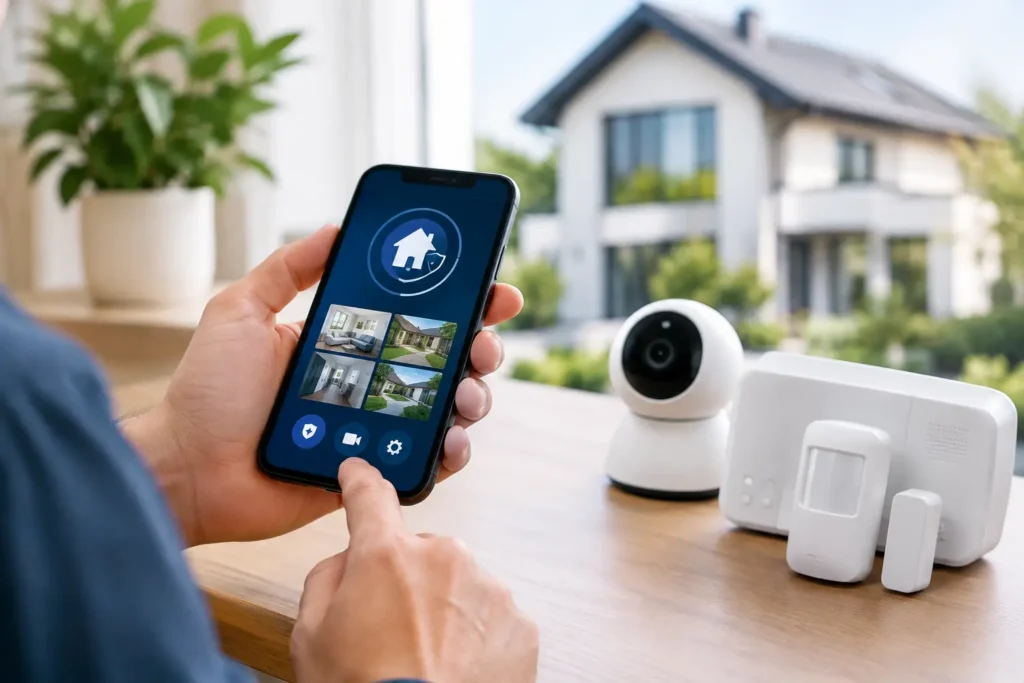
A security system can make noise, send an alert, and record video. Alarm monitoring adds the human response behind those signals when you cannot answer your phone, are asleep, or are away from the property. Knowing how to choose alarm monitoring means looking beyond a monthly price and asking who will be there when an alarm needs attention.
For Louisiana homeowners and business owners, the right monitoring plan should fit the way you use your property, the risks you want to address, and the level of support you expect after installation. A dependable provider will explain those choices clearly instead of treating every home or business like the same job.
Start With What You Need Protected
Monitoring should begin with a conversation about your property, not a one-size-fits-all package. A family may be most concerned about burglary, fire, carbon monoxide, medical emergencies, or knowing when children arrive home from school. A business may need intrusion detection after hours, employee access visibility, opening and closing reports, and alerts for restricted areas.
Consider what happens at your property when no one is available to respond. If a break-in occurs at a retail store overnight, who should be contacted first? If a smoke detector activates while your family is away for the weekend, should the monitoring center follow a specific emergency contact order? Clear answers help shape the equipment, alert settings, and monitoring instructions that support your daily life.
It also helps to think about the property itself. A large home with several entry points may need more than door contacts and one motion detector. A business with warehouses, offices, and multiple employees may benefit from separate user codes and access schedules. The goal is not to add equipment for its own sake. It is to close the gaps that matter most.
How to Choose Alarm Monitoring That Responds Reliably
The central question is simple: what happens after an alarm signal is received? Ask a prospective provider to walk you through its response process in plain language. You should understand how signals are transmitted, how alarm events are handled, when emergency contacts are called, and when police, fire, or medical responders may be dispatched.
A professionally monitored system is different from an app notification alone. Mobile alerts are useful, especially when paired with cameras and smart controls, but they depend on you seeing the alert and deciding what to do. Professional monitoring provides another layer of protection when you are in a meeting, traveling, asleep, or unable to reach your phone.
Response procedures can vary based on the alarm type and local dispatch requirements. Some situations may call for verification before authorities are contacted, while others require immediate action. Ask how false alarms are handled and what you can do to reduce them. Proper installation, user training, and easy ways to cancel an accidental alarm can help protect your time and maintain a good relationship with local first responders.
Ask About Communication During a Power or Internet Outage
Your alarm system needs a dependable way to communicate with the monitoring center. Traditional phone lines are less common than they once were, and many modern systems use cellular communication, internet communication, or a combination of both.
Cellular communication is often a valuable option because it does not rely on your home internet connection alone. That matters during an internet outage or if an intruder damages a cable line. Battery backup is equally important. Ask how long the system can remain operational during a power outage and whether you will receive a low-battery or communication-trouble notification.
No communication method is completely immune to every event, but a provider should be direct about the protections in place and the steps available to improve reliability for your location.
Look for Professional System Design and Installation
Monitoring works best when the alarm system sends accurate information. A poorly placed motion detector, unreliable door contact, or camera aimed at the wrong area can create frustration and unnecessary alarms. Professional installation helps ensure devices are selected and positioned for the actual layout of your home or business.
During an onsite assessment, a security professional should consider entry doors, windows, garages, storage rooms, high-value inventory, pet activity, lighting, and the routines of the people using the property. For commercial locations, they should also discuss employee access, multiple partitions, and whether different areas need different arming schedules.
Training matters just as much as installation. Every person who will arm or disarm the system should know how to use it confidently, how to respond to an accidental activation, and how to update passcodes or contacts when needed. Technology should make life easier, not leave you searching for a manual during an urgent moment.
Compare Monitoring Plans Beyond the Monthly Rate
The lowest advertised monitoring rate is not always the best value. Before signing an agreement, ask what is included in the monthly cost and what may create an additional charge. Equipment, installation, service visits, cellular communication, app access, camera storage, account changes, and contract terms may all be handled differently from one provider to another.
Pay close attention to the length of the agreement, cancellation conditions, and whether the monthly rate can change after an introductory period. There is nothing wrong with a contract when the terms are clear and the service delivers real value. The concern is being surprised later by costs or limitations that were not explained at the beginning.
A good provider will also discuss service after installation. Security needs change. You may remodel a home, add a detached building, open another business location, hire new staff, or want to add cameras and smart automation. Choose a company that can support those changes without treating your account as a number.
Make Sure Smart Features Serve a Real Purpose
Remote control and notifications can add meaningful convenience to monitored security. With compatible smart security tools, you may be able to arm or disarm your system remotely, receive activity alerts, view cameras, manage user codes, or check whether a door was left open.
For a business owner, a notification that the system was disarmed late may be more useful than a long list of features. For a homeowner, the ability to confirm that the garage door is closed before bed may bring genuine peace of mind. Choose features that solve a real concern rather than paying for technology you will not use.
Camera systems deserve separate consideration. Cameras can help you check activity and provide useful video evidence, but they do not replace intrusion detection or professional monitoring. The strongest approach often combines visible deterrence, accurate alarm detection, video awareness, and trained monitoring response.
Choose a Provider You Can Reach After the Sale
When selecting an alarm company, service is part of the security plan. You need to know who will answer questions about a false alarm, help update an emergency contact, troubleshoot a device, or explain a new feature. Local support can be especially valuable because the provider understands the community, local conditions, and the properties it protects.
Ask whether the company performs its own installation, how service requests are handled, and whether you can speak with a knowledgeable person when you need assistance. Reviews and referrals can offer useful perspective, but ask direct questions as well. A trustworthy provider will give straightforward answers about its experience, licensing, installation process, and ongoing support.
Alarm Center Security has served Louisiana customers since 1985 and has installed more than 10,000 systems. That experience matters because security is not only about equipment. It is about listening carefully, designing for the property in front of you, and remaining available when a customer needs help.
Questions to Ask Before You Decide
Before choosing a monitoring provider, make sure you can get clear answers to these questions:
- How are burglary, fire, medical, and environmental alarm signals handled?
- What communication path does the system use, and what happens during a power or internet outage?
- What equipment, installation, monitoring, and service costs are included in the agreement?
- How can I prevent and cancel false alarms?
- Can the system expand as my home, family, or business needs change?
- Who will help me after installation if I need service, training, or account updates?
The best monitoring plan is one you understand and feel comfortable using every day. A thoughtful conversation with a local security professional can turn broad concerns about safety into a clear plan for protecting the people, property, and routines that matter most.