A camera over the front door might catch a package delivery. It might also miss the person who walked up from the side yard, tested the back gate, and never came into view. That is why the best home security camera setup is not about buying the most cameras. It is about covering the right areas, choosing the right features, and making sure the whole system works together when it matters.
For homeowners across Louisiana, that usually means looking beyond a single doorbell camera or a few off-the-shelf devices. A dependable setup should help you see what is happening around your home, receive useful alerts instead of constant false alarms, and give you confidence whether you are at work, on vacation, or asleep upstairs. The right plan depends on your property, your routine, and how much support you want after installation.
What the best home security camera setup really includes
A strong camera system starts with coverage, but coverage alone is not enough. You also need clear video, reliable recording, remote access, and a system that makes sense for how your family uses the home.
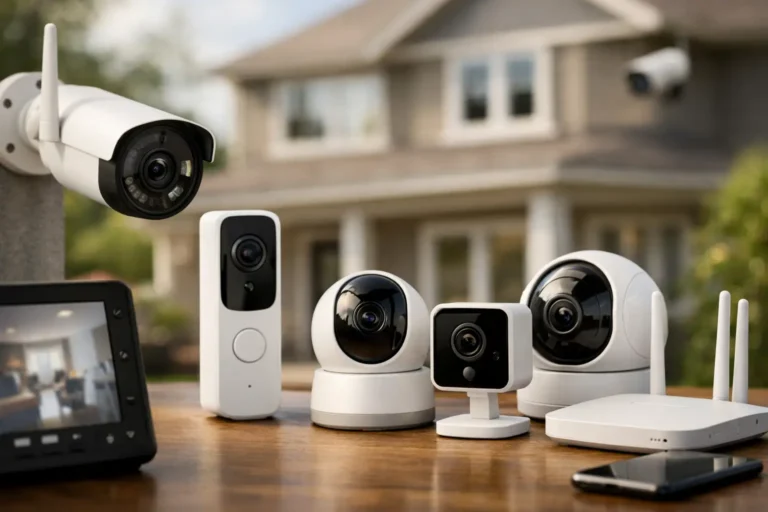
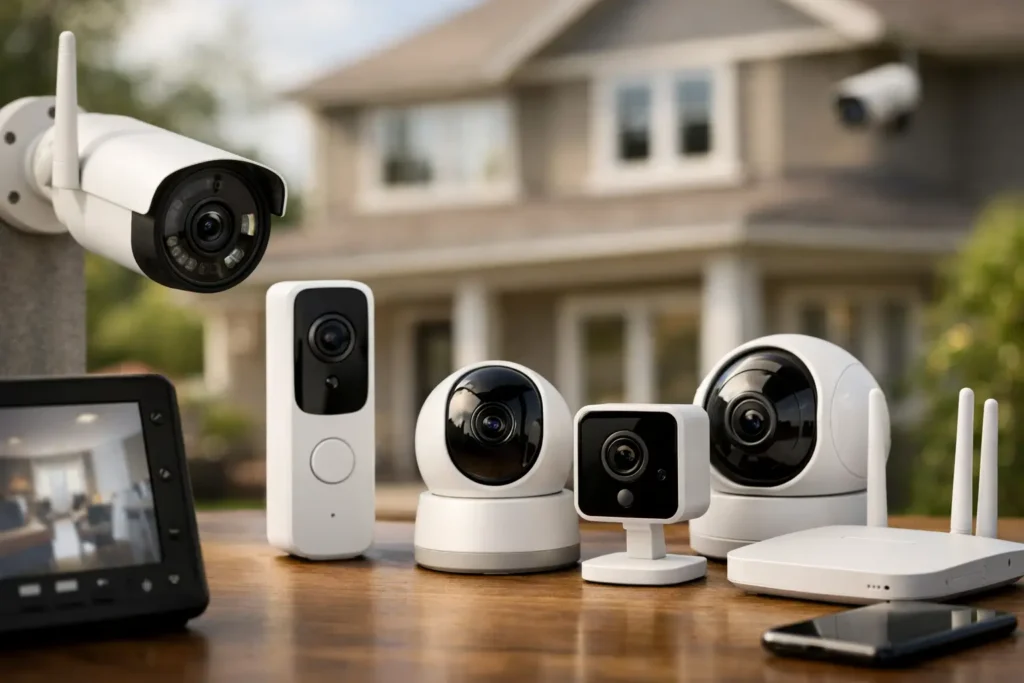
For most homes, the best setup includes exterior cameras at the main entry points, a video doorbell at the front door, and selective indoor coverage in key common areas. That often means the front door, driveway, back door, backyard, and one interior view near the main traffic path. Some homes need more. Corner lots, detached garages, larger yards, and multiple first-floor entry points usually require additional planning.
The goal is not to watch every inch of the property every second. It is to eliminate blind spots where someone could approach, test access points, or move around unnoticed. A well-designed setup should let you verify activity quickly and understand what happened without piecing together partial footage from disconnected devices.
Start with the highest-risk areas
If you are building the best home security camera setup on a budget, begin with the places where people naturally enter or approach the home. Most homeowners should start at the front door, back door, and driveway. Those three views alone can cover a large share of daily activity.
The front door matters because it handles visitors, deliveries, and unknown approach traffic. A doorbell camera is often the best fit here because it captures face-level footage and allows two-way communication. The back door is just as important, and in some homes even more important, because it is less visible from the street. The driveway helps you track vehicles, garage access, and side-yard movement.
After that, look at side gates, first-floor windows hidden by fencing or landscaping, and detached structures. Homes with a pool, workshop, or backyard access from an alley may need broader exterior coverage. If your property has deep setbacks or poor nighttime visibility, camera placement becomes even more important.
Indoor cameras have a role, but placement matters
Indoor cameras can add peace of mind, especially near entry paths, main living areas, or rooms where valuables are stored. They can also help parents check in after school or confirm whether an alarm was triggered by a person or a pet.
Still, indoor coverage should be planned carefully. Bedrooms and private spaces are usually not appropriate. In many homes, one or two indoor cameras in common areas are enough. The purpose is verification and awareness, not constant surveillance of every room.
Features that make a setup more useful
Not every camera feature is worth paying for, but some features make a major difference in day-to-day use. Video quality matters, especially at night or when you need to identify a face, clothing, or license plate. High-definition video with good low-light performance is more valuable than a long list of extras you may never use.
Motion detection is another area where quality matters more than quantity. Generic motion alerts can become background noise if they trigger every time a car drives by or a branch moves in the wind. Smarter alerts that help distinguish people, vehicles, or activity in specific zones tend to be far more useful.
Mobile access is now expected, but it should be easy to use. You want to check live video, review clips, and respond to alerts without logging into multiple apps or fighting inconsistent connections. For many homeowners, the best experience comes from a professionally integrated system where cameras, alarms, and smart controls work together.
Recording is just as important as live viewing. If there is an incident, you need footage stored reliably and available when you need it. That may mean cloud storage, local recording, or a combination of both. The right choice depends on how much video you want to retain and how important immediate access is after an event.
DIY versus professional installation
A do-it-yourself camera kit can look appealing at first. It may seem less expensive, and for a small apartment or simple home it can be enough. But many homeowners find that camera placement, Wi-Fi strength, power access, viewing angles, and app management are harder than expected.
That is where professional installation can make a real difference. A trained installer can identify blind spots you may overlook, mount cameras at effective heights, reduce tampering risks, and make sure the system is configured for reliable performance. You also get help choosing the right number of cameras instead of guessing and hoping you covered enough ground.
There is also the support factor. If a camera goes offline, if you want to expand coverage, or if you need help understanding alerts, local service matters. A professionally installed system is not just about hardware. It is about having someone to call when you need adjustments, upgrades, or troubleshooting.
Why integration matters
A standalone camera can show you what happened. An integrated security system can do more than that. When cameras connect with intrusion detection, smart locks, lights, and mobile control, your home becomes easier to manage and better prepared to respond.
For example, if a sensor trips, you can view associated camera footage right away. If you are away from home, you can check activity, arm or disarm the system, and confirm that doors are secure from the same platform. That kind of visibility is especially helpful for busy families, frequent travelers, and second-home owners.
Common setup mistakes to avoid
One of the biggest mistakes is aiming cameras too wide. A broad view can look impressive, but it often captures less detail where detail matters most. It is usually better to cover a key path of travel clearly than to record a large area with poor identification.
Another mistake is placing cameras too high. Mounting a device well above reach may feel safer, but extreme height can leave you with the top of a hat instead of a usable face view. Proper mounting balances protection from tampering with image quality.
Homeowners also underestimate lighting. Even good cameras perform better when entry points and yards have sensible exterior lighting. Motion lighting, porch lighting, and clear sightlines improve video quality and deter unwanted activity.
Finally, many people treat cameras as a complete security plan. Cameras are valuable, but they work best alongside monitored alarms, door and window protection, and a system that alerts you quickly when something is wrong. If your camera catches a break-in after it starts, that is helpful. If your broader system helps interrupt the event sooner, that is better.
Choosing the best home security camera setup for your property
There is no single package that fits every home. A small single-story house in a quiet subdivision needs a different setup than a larger home with multiple entry points, a fenced yard, and a detached garage. The best approach is to look at how someone would approach your property, where packages are left, how your family enters and exits, and which areas have limited visibility.
That is why customized planning matters. A good provider will ask about your daily routine, your concerns, your layout, and whether you want cameras mainly for deterrence, verification, convenience, or all three. They should also explain trade-offs clearly. Some homeowners want maximum exterior coverage. Others care most about simple app control and front-door visibility. Neither is wrong. The right system is the one that fits the home and gets used consistently.
For Louisiana homeowners, weather is also part of the conversation. Heat, humidity, and storms can affect equipment choices and placement. Exterior devices should be selected and installed with local conditions in mind, not treated as a one-size-fits-all product decision.
When a camera system is planned well, it does more than record clips. It helps you answer the questions that matter quickly. Who is at the door? Did the kids get home? Was that noise in the backyard just the wind, or something more? A thoughtful setup gives you those answers with less guesswork and more confidence.
If you are thinking about upgrading your home protection, the best place to start is not with a product page. It is with a clear look at your property, your concerns, and the kind of support you want after the system goes in. That is how a camera setup stops being just another device and starts becoming part of a safer home.