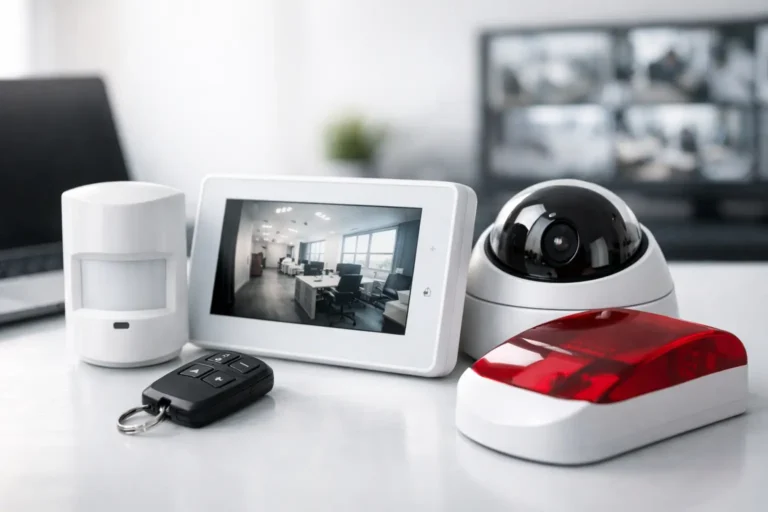

A cheap alarm can make a lot of promises from a box on a store shelf. You usually learn what it cannot do after a break-in, a power issue, or a false alarm at 2 a.m. If you are looking for the best professional alarm system, the real question is not which brand has the loudest marketing. It is which system is designed for your property, installed correctly, and backed by people who will respond when you need help.
For homeowners and business owners in Louisiana, that difference matters. Security is not one-size-fits-all. A family in a single-story home has different needs than a retail store with multiple entrances, inventory, and employee access concerns. The best fit comes from matching the system to the risks, habits, and daily routines of the people who use it.
What makes the best professional alarm system
The best professional alarm system does more than sound a siren. It creates layers of protection that work together. That usually starts with intrusion detection at doors and windows, motion detection in key interior spaces, and 24/7 monitoring that can verify and respond when an alarm signal comes in.
Professional installation is a major part of that value. Equipment placement affects how well a system performs. A sensor installed in the wrong spot may miss activity, trigger false alarms, or leave a weak point uncovered. With a professionally installed system, you are not left guessing where devices should go or whether everything is communicating properly.
Monitoring is just as important as the hardware. A professionally monitored system means someone is watching for alarm activity even when you are asleep, at work, or out of town. For many property owners, that is the point where security becomes more than a gadget. It becomes an active service.
Smart control also plays a growing role. Many customers want to arm and disarm from a phone, check alerts remotely, view cameras, and manage user codes without needing to be on site. Those features can add real convenience, but only when they are easy to use and properly set up. Extra features are not automatically better if they create confusion or go unused.
Why DIY often falls short
DIY systems can work for some situations, especially small spaces with simple layouts. They are often appealing because the upfront cost looks lower. But that lower entry point can come with trade-offs.
One common issue is incomplete coverage. People tend to start with a basic kit, then realize it does not account for glass doors, detached garages, second entrances, or outdoor activity. Another issue is setup. If your camera angle is poor, your motion sensor is aimed badly, or your notifications are not configured right, the system may not help much when it counts.
Support is another factor. If something stops working, many DIY users are left troubleshooting through apps, chat windows, or long customer service queues. That may be acceptable for a streaming device. It is less reassuring when you are dealing with home or business security.
A professional system costs more upfront in many cases, but it usually gives you more confidence in the design, installation, and long-term support. For many families and business operators, that peace of mind is worth it.
Choosing the best professional alarm system for your property
The right system starts with a conversation about how the property is actually used. A good provider should ask questions before recommending equipment. That includes how many entry points you have, whether pets are in the home, whether you travel often, and whether you want cameras, automation, or fire protection added to the system.
For a home, priorities often include front and back doors, accessible windows, interior motion coverage, mobile control, and camera visibility around the driveway or entryway. Families may also want smart locks, video doorbells, and automation features that make everyday routines easier.
For a business, the conversation usually goes further. Owners may need opening and closing reports, multiple user codes, after-hours activity alerts, interior and exterior surveillance, and access awareness for employees and vendors. A restaurant, office, warehouse, and retail store all have different patterns of risk. The best professional alarm system for one business may be excessive for another or not nearly enough.
That is why customized planning matters. The strongest system is not the one with the most devices. It is the one that covers your actual vulnerabilities without adding unnecessary complexity.
Features worth paying for and features that depend
Some features are almost always worth considering. Professional monitoring is one of them. Mobile access is another, especially for busy households and owners who manage property away from the site. Security cameras are also high value for many customers because they provide visibility, documentation, and added deterrence.
Environmental monitoring can also be a smart addition. Smoke detection, flood sensors, and temperature alerts can help protect more than just against intrusion. In many cases, water damage or fire creates a bigger financial loss than theft.
Other features depend on your situation. Smart home automation can be very useful if you want to control lights, locks, thermostats, and schedules in one place. But if you only want basic intrusion protection, a simpler setup may be the better choice. The same goes for advanced video analytics. They can be powerful, but not every property needs them.
A good security provider should help you sort through what is necessary, what is helpful, and what is optional. If every conversation leads to the most expensive package, that is not good system design. That is upselling.
Local service matters more than people think
Security is not a purchase you make once and forget forever. Systems need maintenance, occasional updates, user support, and sometimes adjustments as your needs change. That is one reason local service can make such a difference.
When you work with a local company, you are more likely to get support from people who understand the area, know the common property types, and can respond with a higher level of accountability. You are not just another account in a national queue. You are a homeowner, family, or business in the same community they serve.
That matters when you have questions after installation. It matters when you need to add a camera, update users, or troubleshoot an issue quickly. It also matters when you want a provider who will still be there years from now to service the system and help it grow with your needs.
For many Louisiana customers, that is the real difference between buying equipment and building a security plan.
The best professional alarm system is one people actually use
A system can have excellent hardware and still underperform if it is too complicated for everyday life. If arming the system feels inconvenient, users may skip it. If app controls are confusing, alerts may get ignored. If staff members in a business are not trained properly, codes get shared, openings go untracked, and false alarms increase.
Ease of use should be part of the evaluation. The keypad should make sense. The app should be simple enough to check quickly. User permissions should be clear. For businesses, reports and notifications should support operations instead of creating extra noise.
This is where professional guidance helps. A dependable provider should not just install the equipment and leave. They should make sure you understand how to use it, what to expect, and how to get help when needed.
What to ask before you commit
Before choosing a provider, ask how the system will be tailored to your property. Ask who performs the installation and what support looks like after the job is complete. Ask about monitoring, warranty coverage, service calls, mobile access, and whether the system can expand later if your needs change.
You should also ask how false alarms are reduced. That question says a lot about the provider’s experience. Good system design, proper sensor placement, and clear user training all help prevent avoidable problems.
If you are comparing companies, pay attention to how they communicate. Do they listen to your concerns, or do they push a standard package? Do they explain trade-offs clearly, or do they avoid specifics? The best professional alarm system is usually backed by a provider that values long-term relationships, not just a fast sale.
For customers who want that kind of support, Alarm Center Security has built its reputation around personalized system design, professional installation, and dependable monitoring backed by decades of local service.
Security should feel clear, not complicated. The right system helps protect your home or business in a way that fits your daily life, gives you confidence when you are away, and leaves you with real people to call if you need help. That is the kind of protection worth choosing.