
A move, a change in ownership, or frustration with an unresponsive provider can leave a property with an alarm system that is installed but no longer serving its purpose. A security system takeover service may allow you to keep usable equipment, connect it to dependable professional monitoring, and regain control without starting from scratch.
For Louisiana homeowners and business owners, the right answer depends on more than whether a keypad still lights up. The system must be compatible, properly tested, and configured for the way your household or operation actually works. A professional evaluation helps separate equipment worth keeping from components that may create gaps in protection.
What Is a Security System Takeover Service?
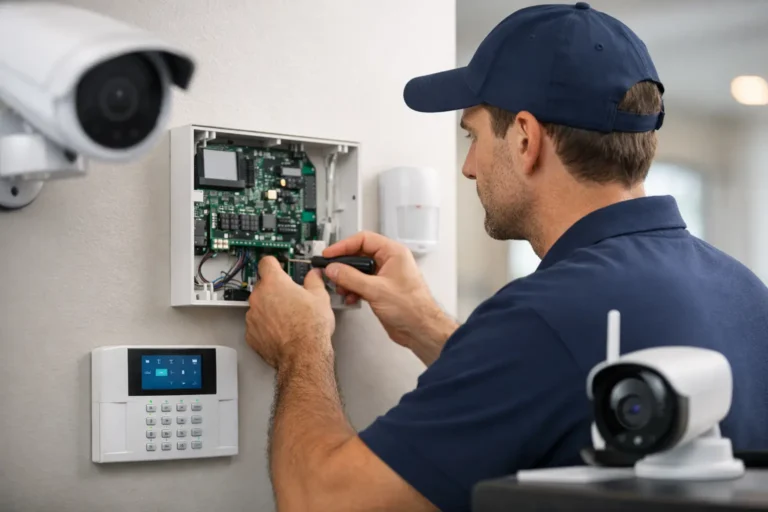
A takeover service is the process of evaluating an existing alarm or security system and, when practical, moving it to a new security provider for service and monitoring. The provider inspects the panel, sensors, communication method, power supply, and user controls before determining whether the system can be monitored as-is, needs upgrades, or should be replaced.
This is common after purchasing a home with an existing alarm system, taking over a commercial space, or ending service with a national provider. The equipment may still be on the walls and doors, but the account may be inactive, the cellular communicator may no longer work, or the system may be programmed for the former owner.
A proper takeover is not simply turning monitoring back on. It is a chance to confirm that every protected opening, motion detector, smoke detector, and camera connection is doing what it should. That work matters because an alarm that appears operational can still have a weak battery, a failed sensor, or outdated communications.
When Taking Over an Existing System Makes Sense
Keeping an existing system can be a practical option when the core equipment is in good condition and compatible with current monitoring technology. Many properties already have hardwired door contacts, window sensors, keypads, sirens, and motion detectors in place. Reusing those components can reduce unnecessary installation work while preserving reliable protection.
A takeover may be especially worthwhile when a property has extensive hardwired protection. Retrofitting a large home or business can involve considerable labor if every opening must be equipped again. If the existing wiring and devices test properly, a qualified technician may be able to use much of that infrastructure while updating the system’s control panel or communication path.
It can also be the right choice for an owner who wants local service without discarding equipment that still has useful life. Professional monitoring, responsive support, and a clear plan for future upgrades often matter more than the logo on the keypad.
That said, a takeover is not always the least expensive option over time. Very old panels may rely on discontinued technology, and some proprietary systems are designed to work only with a particular provider. In those cases, investing in a modern system can offer better reliability, mobile control, notifications, and expansion options.
What a Professional Inspection Should Cover
Before agreeing to take over a system, a security company should inspect it in person. A phone description or a quick photo of a keypad cannot confirm that the equipment will provide dependable protection.
The technician should identify the alarm panel and determine whether it supports current cellular or internet communication. Traditional phone-line reporting is no longer a dependable long-term choice for many properties, particularly where landlines are unused or vulnerable to disruption. A modern communicator can provide a more reliable connection to a monitoring center and support remote system management.
Each zone should also be tested. That means opening protected doors and windows, checking motion sensors, verifying panic devices where applicable, and confirming that smoke or carbon monoxide devices report correctly. Backup batteries deserve special attention. An alarm may work while utility power is on but fail during an outage if the battery is depleted.
For business properties, the inspection should include the areas that affect daily operations: employee entrances, stock rooms, offices, cash-handling areas, and opening and closing schedules. A business may also need user codes for managers, reporting features, or access visibility that the old system cannot provide.
Questions to Ask Before You Transfer Service
A dependable provider should explain what can be reused, what must be changed, and why. You should not be left guessing whether your system is truly monitored or whether a feature shown on the keypad still functions.
Ask whether the existing panel is compatible with the provider’s monitoring platform and whether it can support cellular communication. Find out which sensors passed testing, which components need replacement, and whether the quoted work includes new backup batteries, programming, permits, and activation.
It is also wise to ask who will handle service after the takeover. Security systems need occasional attention, whether that means replacing a device, adding a user code, troubleshooting a signal issue, or updating the system after a renovation. A local provider with a service team can be easier to reach when you need help at your property rather than a generic call-center response.
If cameras, smart locks, thermostats, or garage controls are part of your plans, ask whether the proposed system can support those additions. A takeover should fit your current needs, but it should not prevent you from adding convenient security and automation features later.
Common Reasons a System Cannot Be Taken Over
Some systems are not good candidates for a takeover, and an honest assessment protects the customer from spending money on equipment that will soon need replacement. The most common issue is proprietary hardware. Certain panels are locked to a specific provider or cannot be reprogrammed for another monitoring company.
Age is another factor. Older systems may have limited communication options, no support for mobile alerts, or parts that are no longer readily available. A panel might still arm and disarm locally, but that does not mean it can report alarms dependably to a central station.
Physical condition matters as well. Water damage, corroded wiring, failed sensors, repeated false alarms, and poorly documented past work can make a new installation the better choice. For a business, the cost of recurring service calls or missed alarm events can outweigh the savings of keeping outdated equipment.
Replacement does not always mean losing everything. In many cases, existing hardwired contacts and wiring can still be incorporated into a newer control system. The goal is not to replace equipment for its own sake. It is to create a protection plan that is reliable, serviceable, and appropriate for the property.
The Value of Local Monitoring and Support
Monitoring is the part of a security system that connects an alarm event to a response process. When a monitored system detects an intrusion, fire, panic event, or other programmed condition, it sends a signal to the monitoring center. Trained operators follow the account instructions and contact the appropriate people or emergency authorities when needed.
The quality of that protection depends on accurate account information, tested communication, and a provider that remains available after installation. A takeover is the right time to update emergency contacts, establish user codes, review how the system should respond, and make sure everyone responsible for the property understands basic operation.
Alarm Center Security has served Louisiana since 1985, and its team can help property owners evaluate existing equipment without treating every situation as a one-size-fits-all replacement. With more than 10,000 installed systems, the company understands that a family home, a rental property, and a growing business each require a different approach.
A Takeover Should Leave You More Confident
The best outcome is not merely an active monitoring account. It is knowing what protects your property, how to use it, and who to call when something changes. Whether your existing equipment can be retained or a new system is the wiser choice, request a professional assessment and a clear estimate before relying on an alarm system you did not install.
A few hours of careful evaluation can turn an unfamiliar collection of keypads and sensors into a protection plan that fits the people and property depending on it.