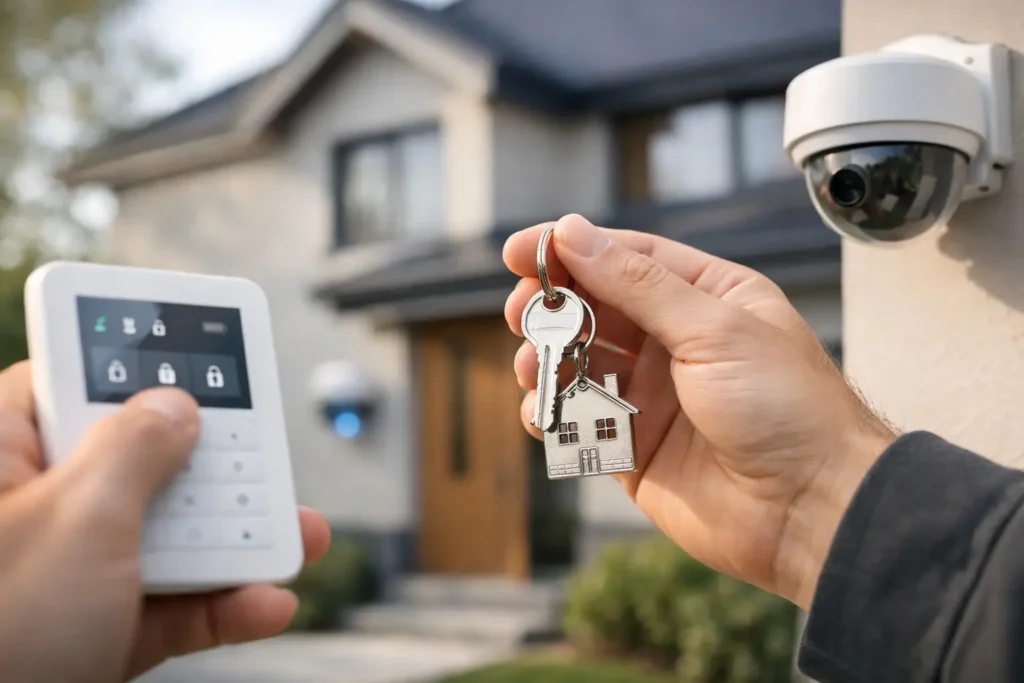
The first night in a new house feels exciting right up until you realize how many people may still have access. A previous owner, a contractor, a dog walker, or a neighbor with a spare key may all be part of the home’s history. If you are figuring out how to secure a new home, the best time to start is before your routines settle in and small vulnerabilities get overlooked.
A new home gives you a clean slate, but it also comes with unknowns. You may not know how old the locks are, whether every window latches correctly, or if the garage door can be opened from an old remote still sitting in someone else’s car. Good security starts with the basics, then builds toward a system that fits how you actually live.
How to secure a new home from day one
The first priority is control over entry points. Replacing or rekeying exterior door locks should happen early, ideally before move-in day or as soon as possible afterward. Even if the seller seems trustworthy, there is no practical way to know how many copies of the old keys exist. Rekeying is often more affordable than full replacement if the hardware is in good shape, but if locks are worn, loose, or outdated, replacement makes more sense.
While you are handling doors, check the strike plates and screws. Many homes still have short screws that do very little to reinforce the frame. Longer screws and solid hardware can improve resistance to forced entry without changing the look of the door. This is one of those low-cost upgrades that matters more than many homeowners realize.
Windows deserve the same attention. Walk through the house and test every lock, including upstairs windows and smaller bathroom windows that are easy to ignore. If a latch feels loose, sticks, or does not fully engage, fix it now. Ground-floor windows and sliding glass doors are especially important because they are common targets when someone wants fast access.
Garage access is another early step people miss. Reset the opener, change keypad codes, and confirm that any smart garage features are linked only to your account. If the garage connects directly to the house, treat that interior door like a front door, not an afterthought.
Start with layers, not a single device
One of the most common mistakes new homeowners make is looking for one product to solve everything. Real security works in layers. Exterior lighting, quality locks, alarms, cameras, smart alerts, and professional monitoring each do different jobs. Together, they create a much stronger plan.
Lighting is often the simplest improvement. A dark side yard, back patio, or driveway gives cover to anyone approaching the home unnoticed. Motion-activated lighting can help, but placement matters. You want light where someone could approach a door, gate, or window, not just one bright fixture over the garage.
Cameras add visibility, but they are most useful when they are placed with purpose. A doorbell camera helps you monitor front-door activity and package deliveries. Exterior cameras can cover driveways, back entrances, and blind spots. Inside the home, some families want limited interior coverage near main entry points or common areas, while others prefer to keep cameras outside for privacy. There is no single right answer. It depends on your layout, your comfort level, and whether you travel often or have children, caregivers, or service workers coming and going.
An alarm system adds another layer by detecting activity and triggering alerts. Door and window sensors, glass break detection, motion detectors, and smoke or carbon monoxide integration can create a more complete safety net. The biggest difference comes from choosing a system designed around the property rather than picking devices one by one and hoping they work well together.
Smart security should make life easier
If your system is hard to use, people stop using it well. That is why convenience matters in home security. A good setup should fit everyday habits instead of creating friction.
Remote control features are especially helpful in a new home. Being able to arm or disarm the system from your phone, check camera footage, receive alerts, lock doors, or confirm that the garage is closed adds peace of mind when your schedule gets busy. For parents, that may mean knowing when a child gets home from school. For frequent travelers, it may mean checking on deliveries or seeing whether a door was left unlocked.
Home automation can also support security in less obvious ways. Smart lighting schedules can make the home look occupied when you are away. Door lock codes can be assigned to specific users instead of passing out physical keys. Alerts can tell you when certain doors open, which is useful for families with kids or for homeowners who want more visibility without constantly checking cameras.
The trade-off is that smart devices need to be set up correctly. Weak passwords, old Wi-Fi equipment, or disconnected devices can create blind spots. That is one reason many homeowners prefer professional installation. It reduces guesswork and helps ensure the system works as intended from the beginning.
Why professional installation matters in a new home
There is a big difference between buying equipment and having a security plan. New homeowners often do not yet know the patterns of the property. Which side of the house stays hidden from the street? Which door does everyone actually use? Where do delivery drivers approach? Are there detached structures, vulnerable first-floor windows, or areas where landscaping creates cover?
A professionally designed system accounts for those details. It can also prevent common mistakes, like placing cameras too high to capture useful images, relying on one motion detector to cover too much space, or leaving secondary doors unprotected because they seem less likely to be used. In practice, side doors, garage entries, and back doors often deserve as much attention as the front entrance.
Professional monitoring is another factor worth serious consideration. Self-monitored systems can work for some people, but they depend on you seeing the alert, having your phone nearby, and responding quickly. If you are asleep, in a meeting, traveling, or dealing with poor cell service, that gap matters. Monitored systems bring a response process that does not rely on you catching every notification in real time.
For Louisiana homeowners, this can be especially valuable during severe weather or evacuation periods when routines are disrupted. A system that continues to protect the home and communicate events while you are away adds reassurance at the moments when you need it most.
Don’t ignore the habits that support home security
Even the best equipment works better when it is backed by good daily habits. Locking doors consistently, setting the alarm at night, and avoiding visible spare keys are simple practices that still matter. So does paying attention to landscaping. Overgrown shrubs near first-floor windows can create privacy for the wrong people.
It is also smart to review what can be seen from outside. Expensive equipment boxes left by the curb, open blinds showing valuable electronics, and social posts announcing vacation plans can all reveal more than intended. Home security is partly about technology and partly about reducing opportunity.
If you are new to the neighborhood, take time to get oriented. Knowing your neighbors, understanding traffic patterns on your street, and noticing what feels normal can help you recognize when something is off. Community awareness is not a replacement for a security system, but it strengthens the overall picture.
How to secure a new home without overdoing it
Security should feel reassuring, not overwhelming. Not every home needs the exact same setup, and more equipment is not always better. A smaller home with good visibility may need a different approach than a larger property with multiple access points, detached storage, or limited street lighting.
The right plan balances protection, convenience, and budget. For some homeowners, that starts with a professionally installed alarm, smart locks, and a video doorbell. Others may need full exterior camera coverage, integrated fire protection, garage monitoring, and automation features that support a busy household. What matters is choosing solutions that fit the property and the people living in it.
That is where a local provider can make a real difference. A company that knows the area, understands neighborhood layouts, and provides real support after installation can help you avoid one-size-fits-all decisions. Alarm Center Security has served Louisiana families and property owners for decades by building personalized systems that protect homes in a practical, dependable way.
Moving into a new home is a chance to set the standard from the start. When your locks, lighting, alarms, cameras, and monitoring all work together, you are not just reacting to risk. You are creating a safer place to live, settle in, and feel at home from the very beginning.