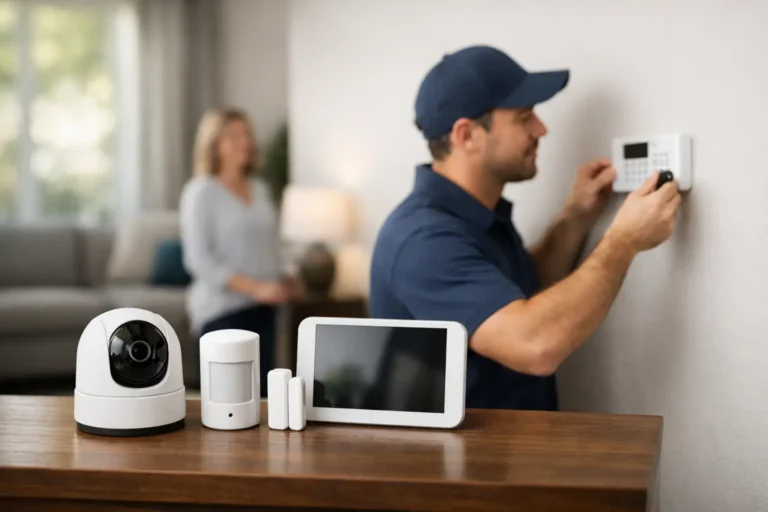

A front door camera and a phone app can be useful, but they are not the same as a complete security plan. When homeowners start looking for the best home security system professionally installed, they are usually trying to solve a real problem – protecting family, preventing break-ins, checking on the house while away, and getting help fast when something goes wrong. That is where professional installation stands apart. It is not just about putting devices on walls. It is about designing a system that fits the home, the people in it, and the way they live.
What makes the best home security system professionally installed?
The best system is not always the one with the longest feature list. For most homeowners, the right system is the one that covers the real risks at the property, works reliably every day, and is backed by people who will answer the phone when help is needed.
That usually starts with a walkthrough and a conversation. A professional installer looks at entry points, blind spots, lighting, garage access, pet movement, daily schedules, and whether the home already has wiring that can be used. A one-story house with several back windows needs a different setup than a townhome or a larger property with detached buildings. A family with school-age children may want app alerts and unique user codes. Someone who travels often may care more about remote arming, camera verification, and smart locks.
Professional installation matters because placement matters. A camera pointed a few feet too high can miss faces. A motion detector in the wrong hallway can create false alarms. A door contact on a poorly aligned frame may become unreliable over time. Good equipment helps, but good planning and correct installation are what make that equipment perform the way it should.
Why professional installation is worth it
There is a reason many homeowners still prefer a professionally installed system over a box picked up off the shelf. Security is one of those purchases where small mistakes can have big consequences. If a sensor is not paired correctly, if the signal is weak, or if a camera leaves a key area uncovered, you may not realize it until after an incident.
With professional installation, the system is set up to work as a complete package. Sensors are tested. Communication paths are checked. Users are shown how to arm and disarm the system, manage alerts, and operate connected devices. If the system includes monitoring, those signals are verified so dispatch and emergency response can happen as expected.
There is also a convenience factor that people sometimes overlook. Most homeowners do not want to spend a weekend on ladders, reading setup instructions, and troubleshooting app connections. They want a system that works from day one. They also want a clear point of contact if they need service, want to add cameras later, or need help updating a user code.
The parts of a professionally installed home security system that matter most
A professionally installed security system should match the home rather than force the homeowner into a standard package. Still, the strongest systems usually include the same core layers of protection.
Door and window sensors are the foundation. They help detect unauthorized entry right where it starts. Motion detectors add interior protection, especially in common paths of travel. Glass break sensors can be helpful in rooms with large windows or sliding doors where an intruder may avoid opening the frame.
Security cameras add visibility. For many households, exterior coverage at the front door, driveway, backyard, and other key approaches provides a practical balance. Indoor cameras can also make sense, though this is one area where comfort levels vary from family to family. Some homeowners want indoor coverage for pets, children, or elderly relatives, while others prefer to keep cameras outside only.
A smart control panel and mobile access give the system day-to-day usability. Being able to arm the system from bed, check camera clips while at work, or confirm that a door was locked after leaving the house can make security part of the routine rather than a hassle.
Professional monitoring is another major difference maker. A loud siren may scare off some intruders, but monitoring brings a human response into the equation. If an alarm is triggered, trained operators can verify the signal and take the next step. That added layer can be especially valuable during vacations, overnight hours, or emergencies when the homeowner cannot respond right away.
How to compare professionally installed systems without getting distracted
When people shop for security, they often get pulled toward the biggest ad budget or the lowest advertised monthly price. Neither tells the full story. The better comparison is between service models, equipment quality, and how much support you will actually receive after installation.
Ask whether the system is customized for the home or sold as a preset bundle. Ask who installs it and whether that installer understands local homes, weather conditions, and neighborhood concerns. In Louisiana, for example, heat, humidity, storms, and power interruptions are not abstract issues. Equipment and communication planning need to account for real conditions.
It also helps to ask what happens after the sale. If a keypad needs service, if you want to add a camera, or if your family routine changes, will you be routed through a large national call chain or can you reach a local team that knows your account? That difference becomes very real once the system has been in place for a year or two.
The best home security system professionally installed is rarely the cheapest option on paper. It is the one that keeps working, remains easy to use, and comes with support you can count on.
Local service makes a real difference
Home security is personal. You are trusting a company with access to your property layout, your daily patterns, and the systems meant to protect your family. That is why many homeowners prefer a local provider with a proven reputation over a national company built around mass volume.
A local company is more likely to understand the neighborhoods it serves and the concerns people bring up most often. It is also more likely to offer direct support when something needs attention. That can mean faster service, more thoughtful recommendations, and a level of accountability that is hard to replicate from a distant call center.
For homeowners in Louisiana, that local experience matters. A provider that has worked in the region for decades has likely seen how security needs change from older homes to new construction, from quiet residential streets to busier mixed-use areas. That kind of experience leads to better design choices and fewer surprises after installation.
Alarm Center Security has built its reputation on that local, service-first approach, with professionally installed and monitored systems tailored to homes and businesses across Louisiana.
Smart features are useful, but only if they serve the plan
Smart home integration can make a security system much more convenient. Mobile alerts, remote arming, video clips, smart locks, garage control, and lighting automation all have real value. They can help homeowners stay aware of what is happening and make the home feel more secure when no one is there.
Still, smart features should support the security plan, not distract from it. A system overloaded with gadgets can become frustrating if the basics are not solid. Reliable intrusion detection, dependable communication, proper camera placement, and responsive monitoring should come first. Once those are in place, automation can add comfort and control.
This is where professional guidance helps. A good installer can tell you which features you will actually use and which ones may not be worth the extra cost. For one household, smart locks and video doorbell alerts may be the most useful upgrade. For another, thermostat control may matter less than flood sensors or extra perimeter cameras.
Choosing the right fit for your home
The right system depends on the house, the neighborhood, and the people living there. A retired couple may want simple operation and dependable monitoring. A busy family may want alerts tied to school schedules, deliveries, and visitors. A homeowner with a detached garage or workshop may need broader coverage than a standard package provides.
That is why a real consultation matters. Security should not be treated like a one-size-fits-all subscription. The goal is to build a plan that protects vulnerable areas, fits the homeowner’s comfort level with technology, and can grow over time if needs change.
If you are comparing options, focus less on flashy promotions and more on whether the company is asking the right questions about your home. Good providers want to know how you use the property, what concerns you most, and how involved you want to be with app controls and notifications. Those answers shape a better system.
A professionally installed security system should leave you feeling more prepared, not more confused. When the equipment is chosen carefully, installed correctly, and supported by people who are available when you need them, security becomes less about gadgets and more about confidence. The best next step is to talk with a local professional who will listen first, design second, and help you protect your home in a way that makes sense for everyday life.