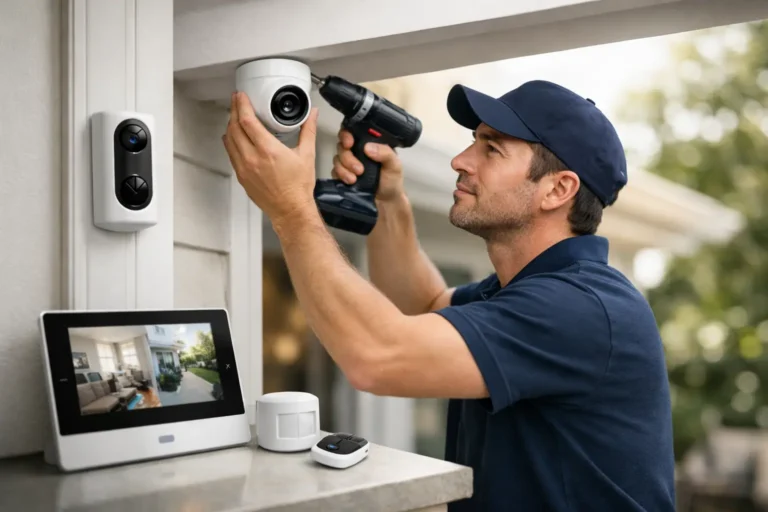
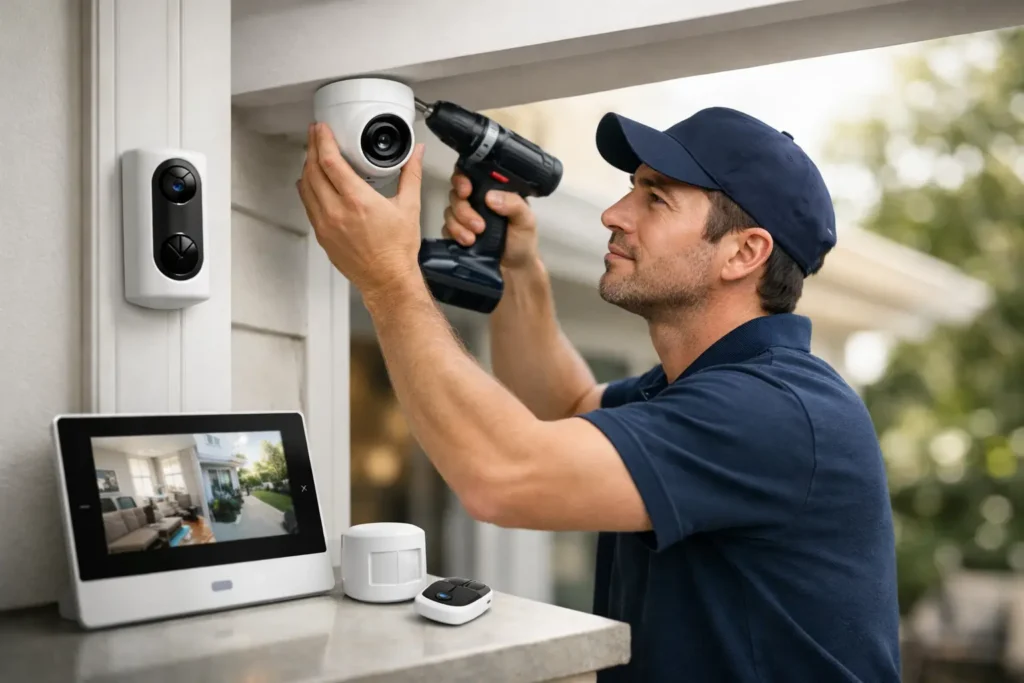
A front door camera in the box is not the same thing as a protected home. Home security system installation is where the real value starts – in choosing the right equipment, placing it correctly, and making sure every device works together when it matters most.
For many homeowners, the hard part is not deciding whether they want better protection. It is figuring out what they actually need. A small home with one entry pattern needs something different from a larger property with detached buildings, multiple exterior doors, pets, children coming home after school, or frequent travel. That is why installation should never be treated like a one-size-fits-all task.
Why home security system installation matters
A security system is only as effective as its design and setup. Sensors that are placed too far from the edge of a door, cameras aimed into direct glare, or motion detectors installed in the wrong traffic pattern can all create problems. Sometimes that means missed activity. Sometimes it means false alarms that frustrate the homeowner and reduce trust in the system.
Professional home security system installation helps avoid those issues early. It starts with a walkthrough of the property, a conversation about your routine, and a plan built around the way you actually live. That may include protecting first-floor windows, adding glass break detection in open living areas, placing cameras at key entry points, and setting up mobile access so you can check on your home from anywhere.
Good installation also accounts for what happens after the equipment is mounted. You need clean communication between devices, dependable power, proper user setup, and a clear understanding of how to arm, disarm, and respond to alerts. Those details are easy to overlook, but they are exactly what make a system practical day after day.
What a well-designed system should include
The right setup depends on the property, but most homes benefit from a mix of intrusion protection, video awareness, and smart control. Door and window contacts form the foundation. Motion detectors add another layer inside the home. Security cameras give you visibility at entrances, driveways, and other important exterior areas.
Many families also want smoke detection, environmental alerts, smart locks, video doorbells, and remote control through a phone app. These features add convenience, but they also improve response time. If you can see an alert, verify what is happening, and take action quickly, you are in a better position to protect your home.
The trade-off is that more features require more planning. A larger system can do more, but it also needs thoughtful setup so it stays simple to use. If the app is confusing or the arming process feels cumbersome, people stop using the system consistently. The best installations balance coverage with ease.
Placement is more important than most people expect
Homeowners often focus on equipment brands or app features first. Those matter, but placement is what determines how the system performs. A camera should capture faces and approach paths, not just a wide shot of the yard. A motion detector should watch the natural path someone would take through a room, not sit in a location that creates blind spots.
Entry points deserve careful attention as well. Front doors, garage access doors, back doors, and accessible windows should all be evaluated based on the layout of the home. In some houses, one vulnerable side entrance matters more than a front porch camera. In others, the garage is the key area because it is used constantly and often overlooked.
Professional installation vs. DIY kits
DIY systems appeal to many homeowners because they appear faster and cheaper at the start. For a small apartment or very simple layout, they may be enough. But for most single-family homes, there is a reason professionally installed systems continue to earn trust.
A professional installer does more than mount devices. They evaluate signal strength, camera angles, detection zones, panel location, backup communication, and user access. They also help prevent common mistakes, such as over-covering one area while leaving another exposed.
There is also the issue of support. If a sensor starts misbehaving, a camera loses connection, or a homeowner wants to add automation later, having a local team available makes a difference. That is especially true after storms, during moves, or when routines change and the system needs to change with them.
DIY can reduce upfront cost, but it can shift more responsibility onto the homeowner. Professional installation usually costs more at the beginning, yet it often saves time, frustration, and avoidable service issues later. It depends on how much complexity your home has and how much confidence you want in the final result.
How the installation process should work
A reliable installation process starts with questions, not products. A security provider should ask how many people live in the home, whether children or caregivers need unique access, which doors are used most often, whether pets are present, and how much remote visibility the homeowner wants.
From there, the system design should be clear and easy to understand. You should know what is being installed, where it will go, and why it is recommended. If cameras are included, the installer should explain what each one is intended to capture. If home automation is part of the plan, they should show how those features fit into the larger security setup.
Installation day should not feel rushed. Equipment needs to be mounted properly, tested thoroughly, and configured for daily use. The homeowner should receive hands-on instruction before the job is considered complete. That includes using the control panel, mobile access, basic troubleshooting, and knowing what to expect from monitoring and notifications.
Monitoring is part of the protection plan
Installation is only one piece of a dependable system. Monitoring adds the human response layer that many homeowners want, especially when they are asleep, at work, or away from home. If an alarm signal comes through, trained professionals can review the event and help initiate the right response.
That support matters because emergencies are not always clear in the moment. A homeowner may miss a call, leave a phone in another room, or be unable to check an alert right away. Monitoring helps close that gap.
For households that travel often, have older family members at home, or simply want more reassurance, monitored service can provide real peace of mind. It also turns the system from a set of devices into an active safety resource.
Local experience makes a difference
Security is personal, and service should be too. A local provider understands the neighborhoods, weather conditions, property styles, and day-to-day concerns that shape security planning across Louisiana. That can lead to better recommendations than a generic package built for a national average customer.
It also means support is closer when you need it. Whether you are updating an older system, protecting a new home, or adding cameras after a recent concern, it helps to work with a team that can respond, adjust, and stand behind the installation. Alarm Center Security has built that kind of trust through decades of service, professional installation, and ongoing support for homeowners and businesses across the region.
When it is time to upgrade an existing system
Many homeowners already have some form of alarm equipment in place, but older systems often fall short in ways that are not obvious at first. They may lack mobile control, use outdated communication methods, offer limited camera quality, or no longer match the way the family uses the home.
An upgrade does not always mean starting over. In some cases, existing components can be reused while the panel, cameras, or smart features are improved. In others, replacing the system makes more sense for reliability and long-term value. The right answer depends on the age of the equipment, the condition of the wiring, and how much functionality you want now.
If your current setup is difficult to use, sends inconsistent alerts, or no longer gives you confidence, that is usually a sign it is time for a fresh evaluation.
Choosing home security system installation is really about choosing how you want your home to feel when you lock the door, turn out the lights, or head out of town. The best system is not the one with the longest feature list. It is the one planned carefully, installed correctly, and supported by people who are ready when you need them.