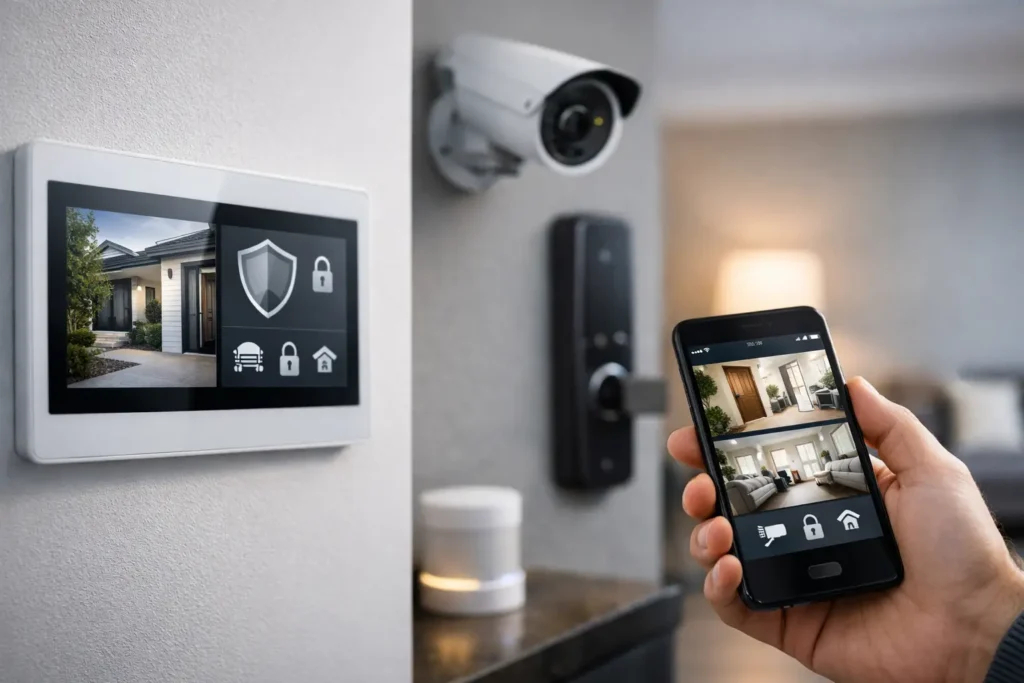
A front door left unlocked, a garage door opened after school, a motion alert while you are at work – these are the moments when home automation security integration proves its value. For many Louisiana homeowners, the goal is not adding more gadgets. It is creating a system that helps protect the people and property that matter most, while making daily routines easier to manage.
The best systems bring security and convenience together in a way that feels practical. Instead of juggling separate apps and disconnected devices, you can manage alarm functions, cameras, locks, lights, thermostats, and alerts from one place. That kind of control matters when life gets busy, when weather changes quickly, or when you simply want to check that your home is secure before turning in for the night.
What home automation security integration really means
Home automation security integration means your security system and your smart home devices work as one coordinated setup. Your alarm is no longer limited to sounding a siren when a sensor is tripped. It can trigger lights, lock doors, send mobile alerts, record camera clips, and notify a monitoring center at the same time.
That coordination is where the real benefit shows up. If a door opens unexpectedly, your system can do more than report it. It can help you see what happened, respond quickly, and reduce the chance that a small issue turns into a bigger one. For homeowners, that means more visibility and more confidence. For busy families, it means less guesswork.
Why homeowners are choosing integrated systems
A basic alarm system still serves an important purpose, but many households want more than intrusion detection. They want to know when children arrive home, whether a package was delivered, or if a side door was left open. They also want simple control that does not require technical expertise.
Integrated systems answer those needs because they connect protection with everyday use. You can arm the house from your phone, unlock the door for a trusted visitor, set lights to turn on when you arrive home, and receive alerts if something needs attention. The convenience is real, but so is the security benefit. Homes are often better protected when the system is easier to use consistently.
There is also a strong practical case for professional integration. Many do-it-yourself products promise easy setup, but compatibility problems, weak device placement, and unreliable connections can create blind spots. A professionally designed system takes the home layout, entry points, internet reliability, and family routines into account.
The features that matter most
Smart locks and door control
Smart locks are often one of the first upgrades homeowners ask about, and for good reason. They make it easier to manage access without hiding spare keys or wondering whether the front door was locked. You can lock or unlock doors remotely, assign codes to family members, and get alerts when someone comes in.
That said, not every lock fits every door or every household. Battery life, code management, and hardware quality all matter. A professional installer can help match the right product to the way your home is used.
Cameras tied to system activity
Cameras become more useful when they are connected to the rest of your system. Instead of checking footage at random, you can receive clips tied to actual events, such as a motion trigger, a door opening, or an alarm activation. This saves time and gives you clearer information when something unusual happens.
Placement is just as important as the camera itself. A camera with a poor viewing angle or too much glare may not give you the detail you need. Good integration starts with good planning.
Lighting automation
Automated lighting adds convenience, but it also supports security. Interior and exterior lights can turn on when sensors activate, when you arrive home, or on a schedule that makes the property appear occupied. That can be especially helpful when traveling or returning after dark.
The trade-off is that lighting should be set up thoughtfully. Overautomation can become annoying if lights turn on at the wrong time or too often. The goal is useful response, not unnecessary interruptions.
Thermostats and environmental awareness
At first glance, a thermostat may seem separate from security, but it plays a role in home management. Integrated thermostats allow you to adjust settings remotely and create schedules that fit your routine. Some systems can also work alongside environmental sensors for smoke, heat, flood, or temperature alerts.
This matters because protecting a home is not only about intrusion. It is also about catching issues early, whether that means a water leak under a sink or a temperature change in a vulnerable area of the house.
Home automation security integration works best when it is customized
No two homes use security the same way. A family with young children may prioritize door alerts and video notifications. A homeowner who travels often may care more about remote control, lighting schedules, and monitored alarm response. A larger property may need added camera coverage, detached building protection, or better visibility around gates and driveways.
That is why a one-size-fits-all package often falls short. Good home automation security integration should match the layout of the property and the habits of the people living there. The right setup feels natural to use. It supports your routine instead of adding another layer of complexity.
This is where local experience matters. Homes in Louisiana face different concerns than homes in other markets, from weather conditions to property layouts and daily use patterns. A local provider can evaluate those realities in person and recommend a system that fits the home rather than forcing the home to fit a preset package.
Professional installation makes a difference
There is a reason many homeowners prefer professional installation over piecing a system together on their own. Security devices are only as good as their placement, programming, and reliability. If a sensor is installed poorly, a camera misses the critical angle, or app settings are not configured correctly, the system may not respond the way you expect when it matters most.
Professional installation helps reduce those risks. It also gives you guidance on how to use the system day to day. That part is often overlooked, but it is essential. A system should be easy for every member of the household to operate, not just the person who downloaded the app first.
Monitoring is another key piece. Alerts on a phone are helpful, but they are not a replacement for professional monitoring. If an alarm event happens when you are asleep, in a meeting, or out of cell range, a monitored system adds another layer of response. That can provide real peace of mind, especially for families, second homes, and households with elderly residents.
What to consider before you upgrade
If you are thinking about adding automation to your security system, start with the problems you want to solve. Maybe you want better awareness of who comes and goes. Maybe you want cameras that work with your alarm instead of standing alone. Maybe you want to stop worrying about whether the house was armed when you left.
From there, think about how much control you want from your phone, how many users need access, and which entry points or areas of the home matter most. It also helps to consider future needs. If you may add cameras, smart locks, or environmental protection later, choose a system that can grow with you.
Cost matters too, and the cheapest option is not always the most cost-effective. A low upfront price can come with limited support, short product life, or frustrating performance. A professionally installed and supported system often delivers better value over time because it is built to work reliably and adapt as needs change.
For homeowners who want guidance instead of guesswork, working with a trusted local company can make the process much easier. Alarm Center Security has helped protect Louisiana homes for decades by designing systems around real properties and real families, not generic assumptions.
A smarter home should also be a safer home
Smart technology is most useful when it does more than add convenience. It should help you respond faster, stay informed, and feel confident that your home is protected whether you are inside it or away from it. That is the real promise of integration – not more devices, but better coordination between the tools you rely on every day.
If your current setup feels fragmented or outdated, it may be time to look at how your security system and smart home features can work together. The right solution is not the one with the most features. It is the one that fits your home, supports your routine, and gives you dependable protection when it counts.