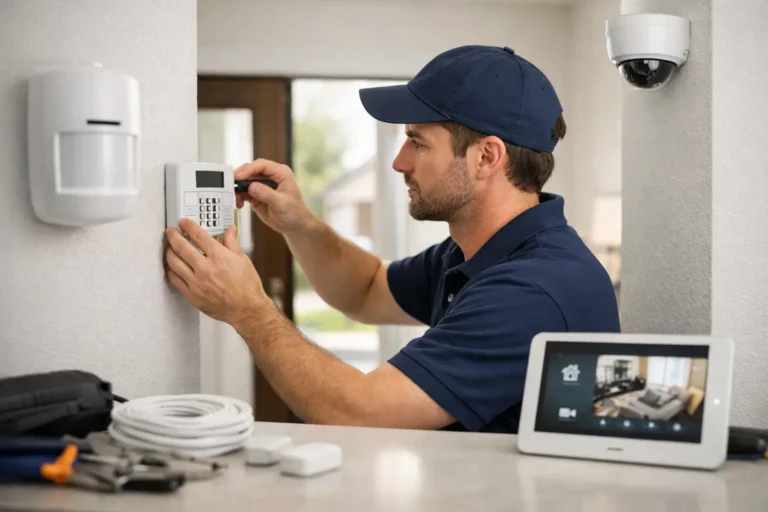
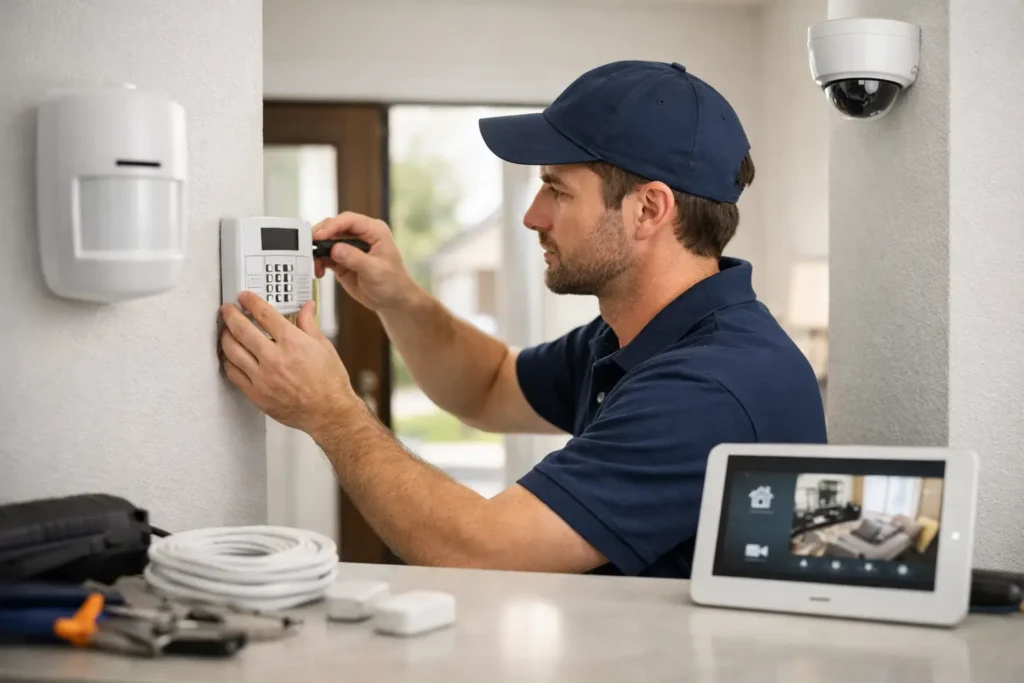
A keypad by the garage door, a motion sensor in the main hallway, a camera covering the front entry – home alarm system installation is not just about placing devices on walls. It is about understanding how your family lives, where your home is most vulnerable, and how quickly you want to know when something is wrong. A system that looks complete on paper can still leave gaps if it is not planned and installed with real daily use in mind.
For many homeowners in Louisiana, that planning matters just as much as the equipment itself. A larger home may need stronger coverage between entry points and common areas. A smaller home may need a simpler layout, but one that still accounts for back doors, first-floor windows, and garage access. If you have pets, kids coming home from school, frequent deliveries, or an aging parent in the home, the right setup changes. Good security is never one-size-fits-all.
What home alarm system installation should actually accomplish
The goal of home alarm system installation is not to fill your house with gadgets. It is to create dependable protection that fits the way you move through your home every day. That usually starts with the basics – door and window contacts, motion detection, glass break protection, a control panel, and 24/7 monitoring. From there, many homeowners add security cameras, smart locks, video doorbells, smoke detection, and mobile app control.
What matters is how those pieces work together. If your front door opens while the system is armed, you want an immediate response. If a package arrives while you are at work, you may want a camera alert. If your teenager gets home before you do, remote access and activity notifications can add convenience along with peace of mind. The best systems do more than sound a siren. They help you stay aware of what is happening at home, even when you are away.
That is also where professional installation makes a difference. A sensor placed too far from the frame can fail to register. A camera pointed in the wrong direction may miss the area that matters most. A motion detector installed without considering pets, stairwells, or sunlight can lead to false alarms. Small setup mistakes can affect reliability in ways most homeowners do not notice until there is a real problem.
Why professional home alarm system installation matters
There is a reason many homeowners start with a do-it-yourself option and later switch to professional service. Installing devices may look simple, but designing effective coverage takes experience. A trained installer sees traffic patterns, blind spots, vulnerable access points, and technical issues that are easy to miss.
Professional home alarm system installation also makes the system easier to use. That may sound secondary, but it is not. If arming and disarming feels confusing, people stop using the system consistently. If app setup is incomplete or user codes are not assigned properly, households lose some of the convenience they expected. The strongest security system is the one your family can operate confidently every day.
There is also the question of long-term support. Equipment eventually needs updates, expansion, troubleshooting, or replacement. When you work with a local security company, you are not left trying to diagnose everything on your own. You have a real team to call, people who understand the system and can help you adapt it as your needs change.
How a customized installation is built
Every effective system starts with a conversation about the property. That includes the size of the home, number of entry points, whether there is an attached garage, whether you want indoor or outdoor cameras, and how much smart home control you want from your phone. Some homeowners mainly want intrusion protection. Others want a broader setup that includes video verification, environmental alerts, and automation.
After that, the layout is planned. Entry doors usually get first priority because they are direct access points and among the most common areas to secure. First-floor windows are often included next, especially those hidden from the street or backyard. Motion sensors are typically placed in major interior paths rather than every room, which helps cover movement efficiently without overbuilding the system.
Cameras require a similar level of planning. The front door, driveway, backyard gate, and garage are common choices, but placement depends on lighting, line of sight, and what you actually need to see. More cameras are not always better. Coverage that is strategic and easy to review is usually more useful than a larger setup that creates clutter and confusion.
Smart features are often added during this stage as well. Homeowners may choose app-based arming and disarming, smart locks, video doorbells, garage door control, or lighting automation. These features add convenience, but they also improve awareness. If a door is left unlocked or the system is not armed at bedtime, a connected system can help catch that quickly.
What homeowners should expect on installation day
A professional installation should feel organized, not disruptive. The technician should walk through the property, confirm device placement, and explain how the system will function before work begins. That gives you a chance to ask questions, mention routines that may affect setup, and make sure the system aligns with how your household actually operates.
During installation, devices are mounted, tested, and connected to the panel and monitoring platform. Once the system is active, the installer should not just leave after turning it on. Training matters. Homeowners should know how to arm and disarm the system, respond to alerts, manage user codes, use the mobile app, and handle common situations like opening a protected door while someone is still home.
That final walkthrough is often what separates a frustrating system from one that feels dependable from day one. People need to feel comfortable with their security system, not intimidated by it.
Common mistakes to avoid
One of the biggest mistakes is choosing equipment before thinking through the property. Many homeowners focus first on a package or a price instead of the actual security plan. Lower upfront cost can be appealing, but if the system leaves out key entry points or does not support your daily routine, the value disappears quickly.
Another issue is underestimating the importance of monitoring. A loud siren can help, but monitored protection adds another layer of response when you cannot act yourself. That is especially important during work hours, vacations, overnight travel, or emergencies where every minute matters.
It is also common to overdo indoor coverage and overlook outdoor visibility. Exterior cameras, video doorbells, and properly secured access points often help deter trouble before it reaches the inside of the home. Security works best when it begins at the perimeter, not just after someone is already inside.
Finally, homeowners should think ahead. If you may want more cameras later, smart locks, or integrated fire protection, it helps to install a system that can grow with you. Security needs rarely stay fixed for years at a time.
Choosing a local company for installation and support
When comparing providers, homeowners should look beyond equipment brands and promotional pricing. The better question is who will design the system, install it correctly, monitor it, and answer the phone when you need help. That is where local experience matters.
A company that has served Louisiana for decades understands the homes, neighborhoods, and expectations of local families. It also tends to bring a more personal level of service. You are not treated like an account number moving through a national pipeline. You are working with a team that knows the value of showing up, solving problems, and standing behind the system after installation.
That service matters well beyond the first appointment. Families move, add rooms, renovate, bring in aging relatives, or want to upgrade to smarter controls. A strong security partner helps the system keep pace with real life. For many homeowners, that ongoing relationship is just as valuable as the original installation.
Alarm Center Security has built its reputation around that approach – personalized planning, professional installation, dependable monitoring, and responsive support backed by decades of local service. That combination gives homeowners more than equipment. It gives them confidence that their protection is being handled by people who take the responsibility seriously.
The right security system should feel like it belongs in your home, not like a generic package dropped into it. When home alarm system installation is handled with care, experience, and a clear understanding of your needs, you get more than devices and alerts. You get a home that feels better protected every day.