A low monthly rate can look great until you need help at 2 a.m. and end up in a phone queue three states away. That is why choosing between monitoring alarm companies is not just about price. It is about who answers, how fast they respond, and whether the system was designed to fit your home or business in the first place.
For families and business owners across Louisiana, security is personal. You are protecting your home, your employees, your inventory, and your daily routine. The right provider should make that job easier, not more complicated. Good monitoring supports the system you already rely on every day, but great monitoring starts earlier with smart design, professional installation, and support that stays available after the sale.
What monitoring alarm companies actually do
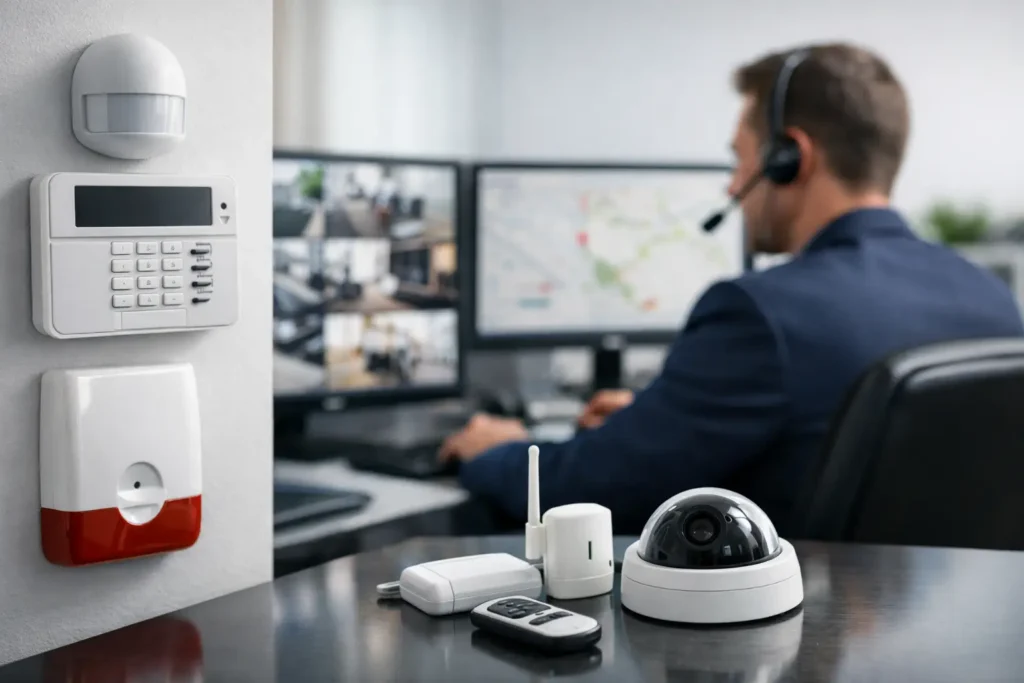
Many people think monitoring starts and ends with an alert sent to a call center. In reality, the best monitoring alarm companies do much more than that. They help make sure your system is installed correctly, your devices communicate reliably, and your alarm signals are handled the right way when something goes wrong.
When a sensor is triggered, a professionally monitored system can verify the event, contact the right people, and follow the response plan tied to your account. That might mean calling the homeowner, notifying a business manager, or dispatching emergency services when needed. The details matter. A delayed signal, a poorly placed sensor, or a confusing account setup can create problems when timing matters most.
That is also why installation and monitoring should not be treated as separate decisions. If a company offers monitoring but does not take the time to understand your property, your routines, and your risk areas, the service may look fine on paper but underperform in real life.
How to compare monitoring alarm companies
The strongest comparison point is not who promises the most features. It is who can deliver dependable protection with the least friction for you.
Start with response and support. Ask who handles alarms, what happens during an emergency, and how account holders can update contacts or passwords. A system is only as useful as the process behind it. If support is hard to reach for a basic account change, that can be a warning sign.
Next, look at system design. A homeowner may need intrusion protection, doorbell video, smart locks, and mobile control. A business may need after-hours monitoring, access visibility, opening and closing reports, and camera coverage around entries and cash-handling areas. Those are different needs, and they should not be sold as if they are identical.
Contract terms also deserve a close look. Some companies lead with a low entry offer and make the long-term cost harder to spot. Others are more transparent about equipment, installation, service calls, and monitoring rates from the beginning. Clear terms usually reflect a company that expects to keep customers through service, not confusion.
There is also the question of local support versus national scale. Large providers may offer broad brand recognition, but local companies often provide more direct communication, better familiarity with the area, and faster service when equipment needs attention. For many Louisiana property owners, that difference matters more than a national ad campaign.
Why local monitoring alarm companies often stand out
Security is not one-size-fits-all, especially in a market with varied property types, weather concerns, and neighborhood layouts. Local monitoring alarm companies often understand those details better because they work in the same communities they serve.
That can influence everything from camera placement to how a business secures rear entrances, service doors, and delivery areas. It also affects service expectations. When you work with a local provider, you are more likely to speak with people who know the region, understand common concerns, and can offer practical recommendations instead of a generic package.
Local ownership can also create stronger accountability. A company serving its own community depends on reputation. That usually means more attention to installation quality, better follow-up, and support that feels personal rather than transactional. For customers who want a long-term partner instead of a temporary vendor, that distinction matters.
Features matter, but only if they fit your life
Modern alarm monitoring can include much more than intrusion detection. Many systems now combine security cameras, smart locks, lights, garage control, environmental alerts, and mobile app access. Those tools can add real convenience, but only if they are chosen with a purpose.
A homeowner with kids coming home from school may benefit from real-time notifications, smart locks, and the ability to check camera footage from a phone. A small business owner may care more about user codes, schedules, remote arming, and alerts when someone opens outside normal hours. The best providers help you decide what is useful and what is unnecessary.
This is where professional guidance makes a difference. Adding every available feature can raise costs without improving protection. On the other hand, skipping a few key devices can leave major blind spots. Good security planning balances coverage, convenience, and budget.
Monitoring for homes
Residential customers usually want two things at once – stronger protection and less daily stress. A monitored home security system can help with both. It can alert you when doors open, help deter break-ins, and let you manage parts of your home remotely.
But ease of use is just as important as technology. If the app is confusing, the controls are inconvenient, or false alarms happen too often, people stop using the system the way they should. That is one reason professionally installed systems often perform better over time than pieced-together setups. The equipment works together, and the homeowner gets real support when questions come up.
Monitoring for businesses
Commercial security has different pressure points. Business owners need protection after hours, but they also need visibility during the workday. They may want to know when staff arrive, when restricted areas are accessed, or whether a location was armed at closing.
Monitoring can support those goals by turning the security system into a management tool, not just an emergency tool. That said, business systems should be designed carefully. A retail storefront, office, warehouse, and church all operate differently. The best solution depends on your hours, staffing, property layout, and risk profile.
Questions worth asking before you sign
A security proposal should answer more than what the monthly monitoring fee will be. Ask who installs the system, who services it, and how quickly support requests are handled. Ask whether the company helps you train users and adjust settings after installation.
You should also ask about communication paths. If internet service goes down, what backup is in place? If you move, expand your business, or renovate your home, can the system grow with you? These are practical questions, and they often reveal which company is thinking beyond the initial sale.
Reputation matters too. Years in business, customer feedback, licensing, and the number of installed systems can tell you a lot. A provider with a long history of service has had time to prove whether it follows through when customers need help.
The value of a full-service relationship
The strongest security experience usually comes from one company handling design, installation, monitoring, and ongoing support. That creates fewer gaps and less finger-pointing when something needs attention.
For example, if a sensor needs adjustment or a user code must be updated, it helps to work with a provider that already knows your account and system layout. You are not starting from scratch every time you call. That is especially valuable for growing families, busy homeowners, and business operators who do not have time to manage security problems on their own.
This full-service approach is one reason many customers prefer established local companies. Alarm Center Security has built its reputation in Louisiana by combining professional installation, monitoring, and responsive support with plans tailored to how customers actually live and work. That kind of continuity can make security feel less like another task and more like a dependable part of daily life.
Price will always be part of the decision, and it should be. But the cheapest option is not always the most affordable once service quality, equipment performance, and long-term support are factored in. A better question is whether the company helps you feel protected, informed, and supported from day one.
When you compare monitoring alarm companies, look for the provider that treats your property like it matters, your time like it matters, and your questions like they deserve a real answer. That is usually the company worth keeping.