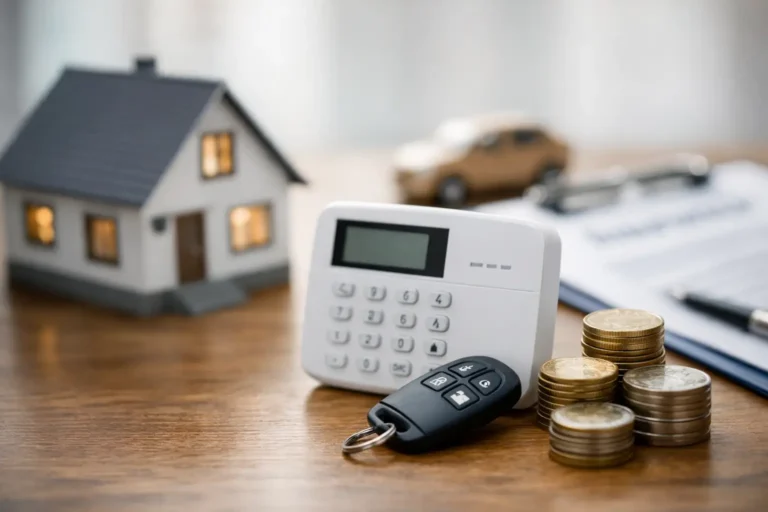
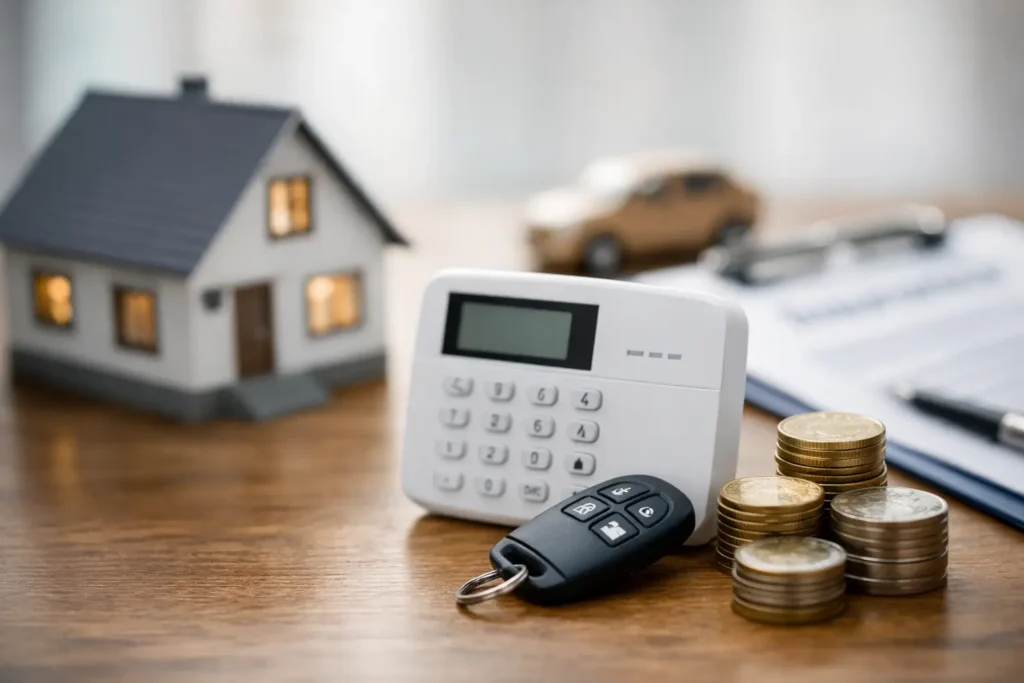
A break-in, kitchen fire, or water leak can change more than a family’s sense of safety. It can also lead to an insurance claim, repairs, business interruption, and higher costs later. So, can alarm systems lower insurance premiums? In many cases, they can – but the amount depends on your insurer, the protections installed, and whether the system meets that carrier’s requirements.
For Louisiana homeowners and business owners, an alarm system should first be a dependable layer of protection for people and property. Any available insurance discount is a welcome added benefit. The best approach is to choose security based on the risks you want to reduce, then ask your insurance agent how that protection may affect your policy.
How alarm systems can lower insurance costs
Insurance companies set premiums based on risk. A property that is less likely to experience a major loss, or more likely to get a fast response when trouble occurs, may qualify for a credit or discount. Security equipment can help address several risks insurers consider, including burglary, fire, carbon monoxide, water damage, and unauthorized access.
A professionally installed and monitored alarm system can make a meaningful difference because it does more than sound a siren. When an alarm is triggered, a monitoring center can receive the signal and follow the appropriate response procedures, even when no one is home or a business is closed. That added response capability is often more valuable to an insurer than a basic, unmonitored alarm.
The discount is not automatic, and it is rarely the same for every policyholder. One insurer may offer a small credit for a local audible alarm, while another may reserve its larger credits for professionally monitored burglary and life-safety protection. Your deductible, claims history, location, construction type, and coverage limits still affect the overall premium.
The systems insurers commonly recognize
Professionally monitored intrusion alarms
A monitored intrusion system can detect unauthorized entry through protected doors, windows, motion detectors, glass-break sensors, or other devices selected for the property. When properly designed, it helps protect the areas that matter most without turning everyday use of the home or business into a hassle.
For insurance purposes, the distinction between a self-monitored system and professional monitoring can matter. Phone alerts are helpful, but a homeowner may be asleep, traveling, in a meeting, or unable to respond. Professional monitoring provides another layer of accountability when an alarm event needs attention.
Fire, smoke, and carbon monoxide detection
Fire losses can become severe quickly, particularly when a building is unoccupied. Connected smoke, heat, and carbon monoxide devices that report to a monitoring center may qualify for additional savings with some carriers. More importantly, they can help bring attention to an emergency sooner.
Not every detector is treated the same way by every insurer. Ask specifically whether the carrier recognizes centrally monitored fire and carbon monoxide protection, and whether it requires particular equipment, installation standards, or documentation.
Water and temperature alerts
A leaking pipe, failed water heater, or HVAC issue can cause extensive damage before anyone sees it. Water sensors and low-temperature alerts are especially useful for second homes, vacant properties, rental units, offices, and businesses closed overnight.
These devices may not produce a direct policy discount in every situation. Still, they can reduce the chance of a costly claim, which may be just as valuable over time. For commercial property owners, an early warning can also help prevent downtime that disrupts employees and customers.
Security cameras and access control
Cameras and access control systems can strengthen a property’s overall security plan. They provide visibility around entrances, parking areas, inventory spaces, and other vulnerable locations. For businesses, access control can also create useful records of who entered a restricted area and when.
However, cameras alone do not always earn an insurance discount. Many carriers place greater weight on monitored intrusion and fire protection because those systems create an immediate alarm response. Cameras remain valuable for deterrence, verification, investigation, and day-to-day oversight, even if they do not change your premium.
Why professional installation matters
An alarm system only works as well as its design, installation, and ongoing service. A device placed in the wrong location can miss the very risk it was meant to address. Poorly configured systems can also create repeated false alarms, leading people to ignore alerts or avoid using the system altogether.
Professional installation begins with a conversation about the property. A family may need protected entry points, smoke detection, remote arming, and alerts when children arrive home. A business may need opening and closing reports, employee access management, camera coverage, and protection for inventory or sensitive records.
A local provider can assess those needs in person, install the right equipment, explain how it works, and remain available when questions arise. Alarm Center Security has served Louisiana since 1985, and that local experience matters when customers need a real person to help with a system, a service request, or a change at the property.
What to ask your insurance agent
Before purchasing a system solely for a discount, call your insurance agent or carrier. Explain the protections you are considering and ask what evidence is needed. This short conversation can prevent assumptions and help you select equipment that supports both your safety goals and your policy requirements.
Ask whether the insurer offers credits for professionally monitored burglary alarms, smoke or fire detection, carbon monoxide protection, water sensors, cameras, or access control. Confirm whether the system must be professionally installed and whether a monitoring certificate is required. It is also wise to ask when the discount begins and whether it must be renewed after a policy change.
If you operate a business, ask your commercial agent how security affects property coverage, liability concerns, business interruption planning, and any requirements from a landlord or lender. Commercial policies can be more complex, so a security plan should reflect the property’s operations rather than follow a one-size-fits-all checklist.
Documentation can make the difference
Once a system is installed and monitored, request the documentation your carrier needs. Depending on the insurer, this may include a certificate of monitoring, an installation record, an equipment list, or confirmation of specific protective devices.
Keep copies with your insurance records and send them to your agent promptly. If you add fire detection, cameras, access control, or water sensors later, notify the insurer again. A policy cannot typically apply a credit for protection it does not know you have.
It is also smart to review the discount at renewal. Carriers update underwriting guidelines, and changes to your system, monitoring plan, ownership, or policy could affect eligibility. A quick review helps ensure the information on file remains accurate.
Look beyond the premium discount
A lower premium is useful, but it should not be the only measure of an alarm system’s value. A small monthly savings will not fully capture the benefit of receiving a fire alert while away from home, catching a water leak before it reaches multiple rooms, or knowing your business was properly secured at closing.
For families, smart security can add practical convenience through remote arming, notifications, user codes, and connected home controls. For business owners, it can provide visibility into daily activity and help reduce uncertainty after hours. Those benefits are personal, operational, and often hard to place on a spreadsheet.
The right question is not simply whether an alarm pays for itself through an insurance credit. It is whether the system gives you a faster path to awareness and response when something goes wrong. Ask your insurer about available discounts, then choose a professionally designed security plan that helps protect what you have worked hard to build.