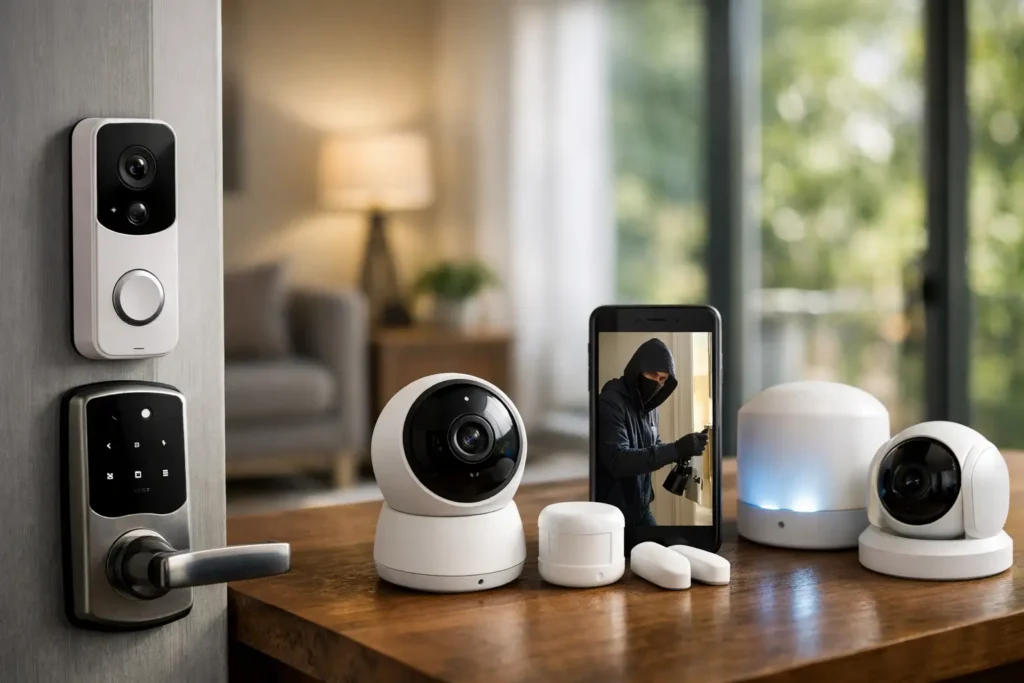
A security system should do more than sound an alarm after a break-in. The best smart home security features help Louisiana homeowners see what is happening, respond quickly, and stay connected to the people and property they care about – whether they are at work, traveling, or asleep down the hall.
Smart security can also make everyday routines easier. You can receive an alert when the kids arrive home, check a camera after a package delivery, or arm the system from your phone after leaving in a hurry. Still, the right features depend on your home, lifestyle, and the risks you want to address. A large property with several entry points needs a different plan than a townhome, rental property, or newly built home.
How to Choose the Best Smart Home Security Features
Start with protection, not gadgets. A well-designed system identifies the doors, windows, rooms, and outdoor areas that need attention, then adds smart controls that make the system easier to use consistently. Professional installation matters here. Sensors need the right placement, cameras need useful viewing angles, and your system should work reliably without creating daily frustration.
The following features are often the most valuable starting points for homes across Baton Rouge and Louisiana.
1. Professional 24/7 Monitoring
A loud siren can draw attention, but professional monitoring adds a real response plan. When an alarm is triggered, trained operators can contact you and, when appropriate, notify emergency responders. This is especially helpful when you are away from home, unable to reach your phone, or facing an emergency in the middle of the night.
Self-monitoring may suit someone who wants basic alerts and is always available to respond. For many families, however, professional monitoring provides more dependable coverage. The value is not simply an app notification. It is knowing someone is prepared to act when you cannot.
2. Mobile Arming, Disarming, and Alerts
Smart control from a mobile app puts key security functions within reach wherever you have a connection. You can arm the system after leaving, disarm it for a trusted visitor, and receive immediate notifications about alarms, doors, or system activity.
The most useful alerts are customized, not constant. A notification every time a family member opens the refrigerator will quickly become background noise. Instead, set meaningful alerts for a side gate opening, a medicine cabinet, an exterior door during school hours, or an alarm that has been disarmed unexpectedly.
3. Door and Window Sensors
Door and window contacts remain the foundation of a home security system because they address the most common entry points. Smart versions allow you to see whether a protected opening is open or closed before you arm the system. That can prevent the familiar late-night question: “Did we lock the back door?”
These sensors are also useful beyond intrusion protection. A homeowner might get an alert when a child comes home from school or when a rarely used storage-room door opens. For homes with pets or frequent visitors, a professional can help determine which openings need protection and how the system should behave during normal activity.
4. Smart Security Cameras With Useful Video Alerts
Cameras help turn an alert into information. Rather than wondering why a motion sensor activated, you can view a live feed or recorded clip to see whether it was a delivery driver, a neighbor, a vehicle in the driveway, or something that needs immediate attention.
Placement is more important than camera count. Front doors, driveways, rear entrances, garages, and side yards are common priorities. A camera should be positioned for a clear view of the area you need to monitor, with lighting and privacy considered. Video doorbells can be particularly helpful at the front entry, while exterior cameras are often a better fit for larger areas.
5. Video Doorbells for the Front Entry
The front door is where packages arrive, guests wait, and unexpected visitors appear. A video doorbell lets you see and speak with visitors from your phone, even when you are not home. It can also create a record of activity at one of the home’s busiest access points.
This feature is convenient, but it should not replace a complete security plan. A doorbell camera cannot protect an unmonitored rear door or detect an interior emergency. It works best as part of a connected system that includes intrusion detection and monitoring.
6. Smart Locks With Controlled Access
Smart locks allow homeowners to lock or unlock selected doors remotely and manage access for family members, housekeepers, contractors, or guests. Instead of sharing a physical key that can be copied or misplaced, you can create user codes and remove access when it is no longer needed.
For many households, the real benefit is visibility. You can know when a particular code was used and receive a notice when the door is unlocked. Smart locks are also practical for second homes and rental properties, but installation and compatibility should be evaluated carefully so the lock, door hardware, and security system work together properly.
7. Smoke, Carbon Monoxide, and Environmental Detection
Security is about more than burglary. Monitored smoke and carbon monoxide detectors can alert you to life-safety emergencies, including when no one is home. That is a meaningful advantage for families with children, older relatives, pets, or homes that may sit empty during travel.
Environmental sensors can add another layer of protection. Water detection near washing machines, water heaters, sinks, and other vulnerable areas may help you catch a leak before it becomes expensive damage. Louisiana weather and humidity make dependable equipment and thoughtful placement especially important.
8. Smart Lighting and Automation Rules
Connected lights can support both security and convenience. You may set exterior lights to turn on when a camera detects activity or have selected lights follow a schedule when you are away. A well-lit entry and driveway can make it easier for cameras to capture useful video and make your home feel more occupied.
Automation should be simple enough to trust. Start with a few rules that solve a real need, such as turning on lights when the system is disarmed after dark. Complex routines are not automatically better. If they confuse the household, people may disable them instead of using them.
9. Cellular Communication and Power Backup
A security system should not depend entirely on your home internet connection. Cellular communication can help the system stay connected if internet service is interrupted, while battery backup keeps key security functions operating during a power outage.
This feature deserves special attention in Louisiana, where severe weather can disrupt power and communications. Backup capability does have limits, including battery duration and the conditions affecting cellular networks. A security professional can explain what remains active during an outage and help you choose equipment that supports your priorities.
10. Activity Tracking for Daily Peace of Mind
Smart systems can keep a simple record of important activity: when the system was armed or disarmed, when certain doors opened, and which user code was used. For busy families, this can offer welcome reassurance without requiring constant camera watching.
Activity tracking is also useful for property owners who travel frequently or manage a home that is temporarily vacant. The goal is not to monitor every routine. It is to make unusual activity easier to spot and everyday questions easier to answer.
Put Features Together in a Plan That Fits Your Home
The best system is rarely the one with the longest feature list. It is the one that covers your actual risks, is easy for your family to use, and has support behind it when something goes wrong. A basic system with monitored intrusion sensors, mobile control, and a few well-positioned cameras may protect one household better than an overcomplicated setup filled with features nobody uses.
For a new construction project, planning early can make camera locations, wiring, keypads, locks, and automation feel like part of the home rather than an afterthought. Existing homes can also be upgraded in practical stages, beginning with the most important entry points and adding video, access control, or environmental protection as needs change.
Alarm Center Security has protected Louisiana homes and businesses since 1985, with personalized system design, professional installation, monitoring, and local support. A conversation with a security professional can help you separate useful protection from unnecessary extras and build a plan that makes sense for your home. The right next step is a free estimate that starts with how you live, who you protect, and the peace of mind you want when you close the door each day.