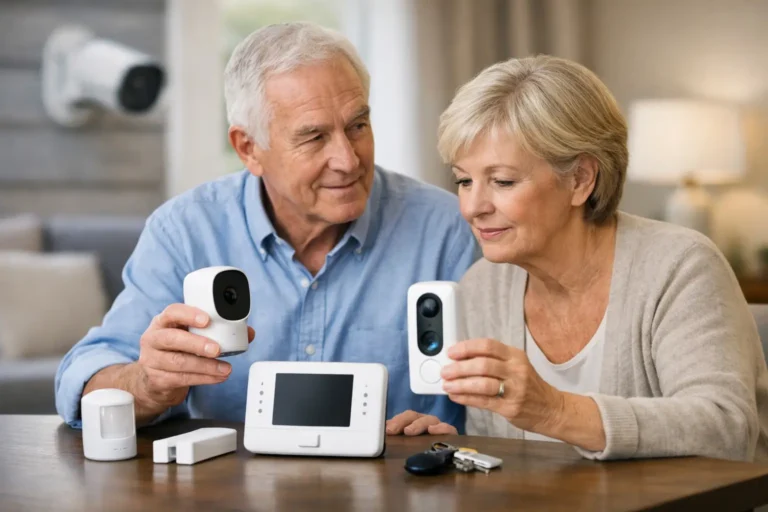
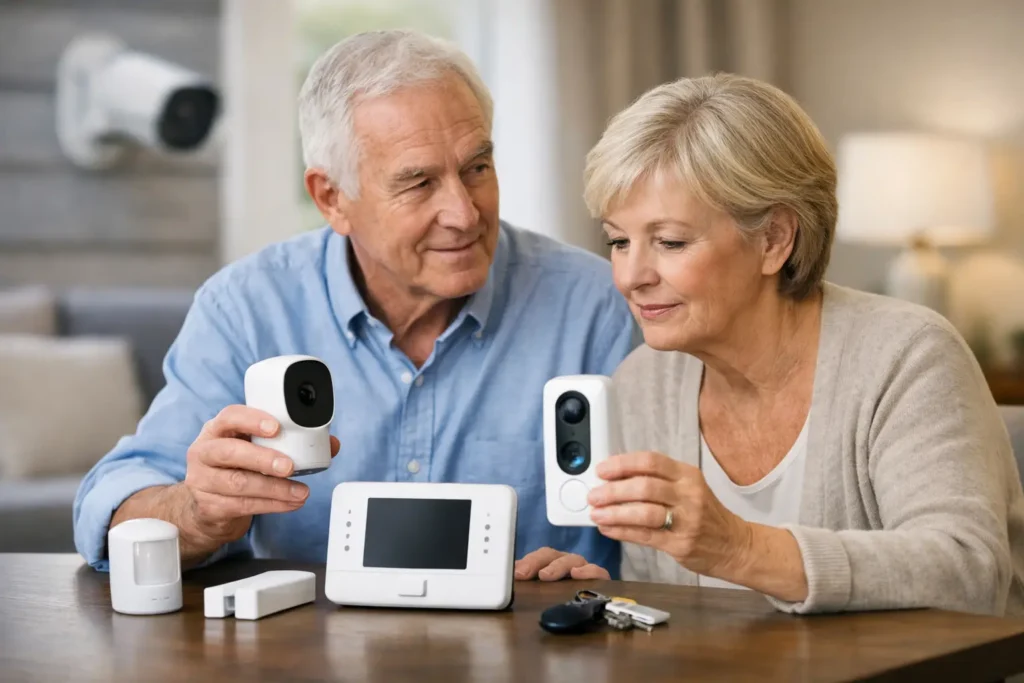
A security system should make an older adult feel more independent at home, not make the home harder to manage. The best security system for seniors is usually not the one with the most devices or the flashiest app. It is the one that is simple to use, professionally installed, monitored around the clock, and designed around the person’s daily routine.
For many Louisiana families, the question comes after a change: a parent is living alone, returning home after a hospital stay, traveling more often, or simply wanting added reassurance. A well-planned system can help protect against intrusion, fire, carbon monoxide, and unexpected activity while giving family members a practical way to stay informed.
What Makes a Security System Senior-Friendly?
The right system begins with a conversation, not a box of equipment. Every home and every household is different. Someone who enjoys using a smartphone may appreciate app controls and camera alerts. Someone who prefers familiar buttons may need a straightforward keypad, clearly labeled sensors, and a dependable monitoring center behind the system.
Ease of use matters most. A senior should be able to arm or disarm the system without remembering complicated steps. The keypad should be placed where it is easy to reach, and the installer should take time to explain daily operation in plain language. It also helps to choose a provider that can answer questions later, because confidence often grows after the system becomes part of everyday life.
Professional monitoring is another key consideration. If an alarm is triggered and the homeowner cannot reach the phone, trained monitoring professionals can follow the established response process and contact the appropriate authorities when needed. This is especially valuable for households where family members live in another city or have demanding schedules.
Best Security System for Seniors: Features That Matter
A personalized system may include several layers of protection. The goal is not to add every available device. It is to choose the equipment that solves real concerns in the home.
Monitored intrusion protection
Door and window sensors can alert the monitoring center when a protected entry point opens while the system is armed. Motion detectors add another layer for common areas, hallways, or rooms with multiple entry paths. For a senior who lives alone, this protection can bring meaningful reassurance at night and while away from home.
A professionally installed system also avoids common problems with do-it-yourself placement, such as sensors that do not communicate reliably or motion detectors aimed at a pet’s favorite chair. An experienced technician can account for the home layout, pets, daily traffic patterns, and the locations where equipment will be easiest to use.
Fire and carbon monoxide detection
Security is about more than break-ins. Monitored smoke and carbon monoxide detectors can be especially important for older adults, including those who may sleep deeply, have limited mobility, or not hear a standard alarm clearly from another room.
These devices should be selected and placed correctly, not treated as an afterthought. A monitored detector can send an emergency signal even if the homeowner is unable to call for help. Families should also discuss whether heat detection is appropriate in areas such as garages, where smoke detectors may not be the best fit.
Security cameras with useful alerts
Cameras can help seniors see who is at the front door before opening it and allow family members to check on the property when they have permission to do so. A video doorbell is often a practical starting point because deliveries, visitors, and unexpected callers are visible from a phone or other connected device.
Exterior cameras can cover driveways, front walks, back doors, and other vulnerable areas. The best setup avoids turning the home into a surveillance project. Focus cameras on entrances and outdoor spaces, and have a clear family conversation about privacy. Cameras in bedrooms or private living areas are rarely appropriate.
Smart locks and lighting
Smart home tools can make security easier when they are used with purpose. A smart lock may allow a homeowner to lock the door from bed, confirm whether it is secured, or provide temporary access to a trusted caregiver without hiding a spare key outside. Smart lighting can brighten a dark entryway, create a lived-in appearance during travel, or turn on automatically when someone approaches the house.
These features should be simple enough to support independence rather than create another task. A good installer can set up basic schedules and show the homeowner how to make adjustments when needed.
Cellular communication and backup power
A system should not rely only on a home internet connection or landline. Cellular communication helps the alarm system stay connected if internet service is interrupted, and battery backup can help during a power outage. That is a practical consideration during Louisiana storms, when dependable communication matters most.
Ask how long backup power is expected to last and what happens if there is a communication issue. Clear answers are more valuable than vague promises.
Professional Installation Reduces Frustration
A senior-friendly system is only as good as its setup. Professional installation means sensors are mounted properly, cameras have useful views, and devices are tested before the technician leaves. It also means the homeowner is not climbing a ladder, pairing devices, or trying to determine why an alert did not arrive.
Training should be part of the installation. The homeowner should know how to arm and disarm the system, what the important sounds mean, how to use the panic feature if included, and who to call with questions. It is wise to have an adult child, caregiver, or trusted neighbor present during training when possible. That person can learn the system as well without taking control away from the homeowner.
Alarm Center Security has served Louisiana communities since 1985, with more than 10,000 installed systems. For seniors and their families, local service can make a real difference when a system needs an adjustment, a new user code, or help understanding a feature.
Consider the Person, Not Just the House
The best equipment choice depends on the senior’s abilities, preferences, and support network. A person with arthritis may benefit from an easy-to-use touchscreen or app rather than small keypad buttons. Someone with hearing loss may need visual alerts or additional notification options. Someone with memory concerns may need a simpler routine with fewer steps and automatic reminders.
Family involvement can be helpful, but it should be respectful. Many older adults want the reassurance of a system without feeling watched or managed. Agree on who receives alerts, what kinds of activity are worth notifying the family about, and when someone should call or visit. A door opening notification may be useful for one household and unnecessarily disruptive for another.
It is also worth separating security needs from medical needs. A home security system can provide emergency signaling and monitored life-safety devices when configured for those services, but it is not automatically a replacement for a medical alert device, fall detection service, or in-home care plan. Families should consider each need directly.
Questions to Ask Before Choosing a Provider
Before selecting a system, ask whether the provider offers professional monitoring, cellular backup, local service, and in-person training. Ask what happens after installation if the homeowner needs help changing a code, replacing a device, or understanding an alert.
Be clear about monthly monitoring costs, equipment costs, warranties, service policies, and contract terms. A lower upfront price may not be the better value if support is difficult to reach or the system does not include the protection the household actually needs. The right provider should explain options clearly and recommend a plan based on the home rather than a one-size-fits-all package.
A free in-home security assessment can identify the doors, windows, rooms, and outdoor areas that deserve attention. It can also uncover simple improvements that make a home safer, such as better entry lighting, a visible keypad location, or a camera angle that covers a front walk without recording a neighbor’s property.
The most reassuring system is one the homeowner understands and trusts. Start with the everyday moments that create concern – answering the door after dark, leaving for a doctor’s appointment, sleeping alone, or weathering a storm – and build protection around those moments. That approach helps a senior remain comfortable at home while giving the people who care about them a little more peace of mind.