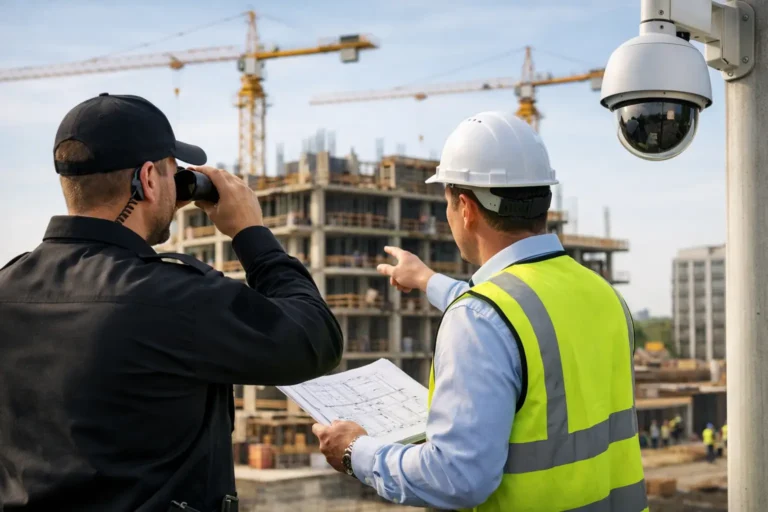
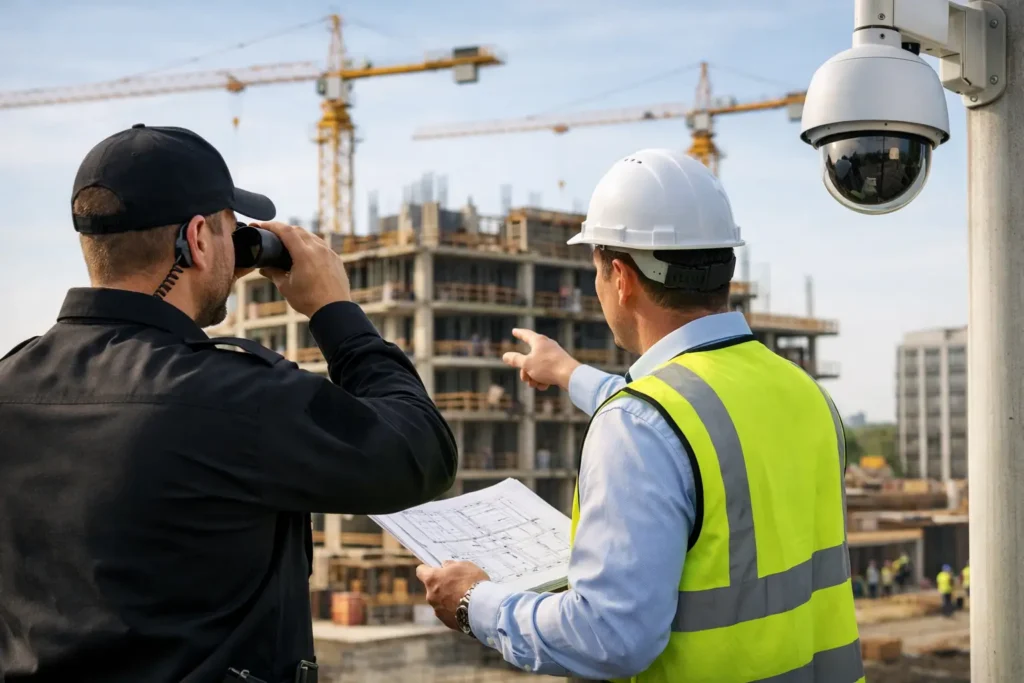
A security system is easiest to install when the walls are open, the wiring paths are visible, and every decision can support the way a property will actually be used. New construction security planning gives homeowners and business owners the opportunity to build protection into the property instead of trying to add it after the fact.
For a new home, that may mean planning for monitored intrusion detection, exterior cameras, smart locks, garage protection, and remote control from one app. For a business, it can include access control, cameras at entry and cash-handling areas, opening and closing reports, and alarm coverage tailored to daily operations. The right plan starts before drywall, not after move-in day.
Start New Construction Security Planning Early
Security should be part of the early planning conversation with the builder, electrician, low-voltage contractor, and homeowner or property owner. Waiting until the final walk-through often limits where equipment can be placed and can turn simple wiring into a more involved project.
Early planning allows for concealed wire runs to keypad locations, door and window contacts, motion detectors, cameras, network equipment, and alarm panels. It also creates a chance to plan conduit for future wiring. That small decision can save time and avoid unnecessary wall work when a camera, access reader, or additional device is needed years later.
The goal is not to put a sensor on every possible opening. It is to design practical coverage around how people enter, exit, work, sleep, and store valuable property. A family may prioritize the garage entry, primary bedroom, rear doors, and outdoor living areas. A business may need stronger coverage around employee entrances, offices, inventory rooms, service doors, and customer-facing areas.
Build the System Around the Property and the People
Every property has different risks. A home on a quiet street may have different needs than a home with a detached shop, a pool area, multiple exterior doors, or frequent travel. A retail shop has different concerns than an office, medical practice, warehouse, or restaurant.
A thoughtful design begins with a walk-through of the plans. Consider where a person could approach the building without being seen, which doors will be used most often, where deliveries will arrive, and where expensive equipment or private records will be kept. In Louisiana, it also makes sense to consider weather exposure, covered entries, long driveways, detached buildings, and the need to check on a property remotely during travel or severe weather.
Security works best when it supports daily routines. If a system is complicated, people may avoid using it. Convenient keypad locations, easy mobile controls, clear notifications, and professionally selected equipment make regular use more likely. For business owners, the same principle applies to employees. Access and alarm procedures should be simple enough to follow consistently, even during a busy opening or closing shift.
Decide What Needs to Be Wired
Wireless security equipment can be a strong option for additions, upgrades, and areas where running cable is not practical. In new construction, however, hardwired devices often offer a clean, dependable foundation. Wired door and window contacts can be installed discreetly, and prewired camera and network locations provide more flexibility for placement and future upgrades.
Not every device must be hardwired. The best choice depends on the construction design, budget, device location, and future plans for the property. A professional can help determine where wiring delivers meaningful value and where wireless equipment is the better fit.
It is also wise to plan for dependable power and communication. Alarm panels, camera systems, network equipment, and smart devices depend on reliable connections. Battery backup and cellular communication can help maintain alarm signaling if a power outage or internet interruption occurs. This is particularly valuable during storms, when communication matters most.
Plan Camera Coverage Before Fixtures Go Up
Cameras are most useful when they capture a clear view of the activity that matters. Installing a camera simply because there is an empty corner can create blind spots, glare, poor nighttime images, or a view that is too wide to identify important details.
During construction, identify the main approach to the property, driveway, front door, side gates, rear entry points, garage doors, and outdoor equipment areas. Businesses should also consider employee entrances, loading areas, registers, reception spaces, inventory rooms, and parking areas. Camera placement should account for lighting, height, rooflines, trees that may grow into view, and whether the camera can be safely serviced later.
A video doorbell may be an excellent fit for a home’s primary entrance, but it should not be the only camera considered. It does not replace coverage of a driveway, garage, side entrance, or backyard. Likewise, a business camera system should be designed to support real operational needs, not just record a general view of the building.
Privacy deserves attention as well. Cameras should protect the property without unnecessarily recording areas where privacy is expected. For businesses, owners should establish clear internal policies for camera use and keep footage access limited to authorized people.
Do Not Treat Lighting, Locks, and Security as Separate Projects
A safer property is built from layers that work together. Exterior lighting improves visibility for residents, guests, employees, and cameras. Quality locks and properly aligned doors make entry points harder to defeat. An alarm system can alert the right people when protected doors open or motion is detected. Cameras add visual awareness before, during, and after an event.
When these elements are planned together, the finished property feels more secure without feeling difficult to live or work in. A homeowner can receive a notification when a door opens, check a camera, and control supported smart devices remotely. A business owner can review who accessed a door, confirm that the system was armed, and receive alerts about unusual activity.
Access control is especially worth considering during commercial construction. It can allow owners to manage who enters specific areas and when, rather than relying on physical keys that can be copied or misplaced. It may be appropriate for a single employee entrance or for multiple doors across an office, warehouse, or multi-tenant property. The right scope depends on staff size, hours, turnover, and the sensitivity of the areas being protected.
Leave Room for Growth and Service
New construction often comes with a budget, and security priorities may need to be phased. That is normal. The key is to make decisions now that preserve options later. Prewiring a future camera location, leaving conduit to a gate or detached building, and allowing space for structured wiring can be far more affordable during construction than after the property is complete.
It is also helpful to document device locations, wiring routes, panel locations, and network equipment. Good documentation makes future service, renovations, and upgrades easier. If the property changes hands, it also gives the next owner or manager a clearer starting point.
Avoid placing critical equipment in locations that are hard to reach, excessively hot, vulnerable to water exposure, or likely to be blocked by storage. A clean, accessible equipment location supports better maintenance and faster service when it is needed.
Choose Professional Installation and Monitoring
A security plan is only as dependable as its installation, programming, and support. Professionally installed systems help ensure that devices are placed correctly, communications are tested, users understand how the system works, and monitoring is set up for the protection level the property needs.
Professional monitoring adds another layer of reassurance. When an alarm event occurs, trained monitoring personnel can follow the established response process, even if the homeowner is asleep, traveling, or unable to answer a notification. For businesses, monitoring can provide valuable support outside normal operating hours and during holidays.
Alarm Center Security has helped protect Louisiana homes and businesses since 1985, with more than 10,000 installed systems. A local team can coordinate with your construction schedule, recommend coverage that fits the property, and remain available after installation for service, questions, and future changes.
Before the build reaches the drywall stage, ask for a security consultation and a clear estimate. A few well-timed decisions can give your new property the protection, convenience, and confidence it deserves from the first day you turn the key.