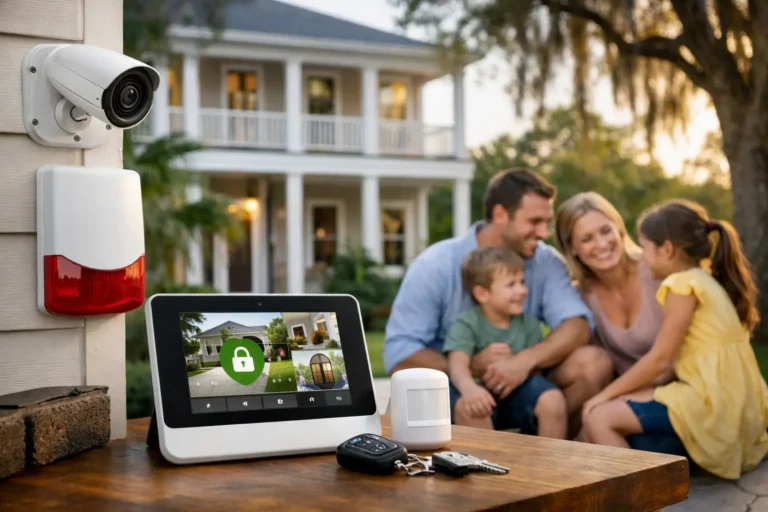

A family alarm system has to work during the moments no one can plan for: when the kids arrive home before you do, when you are away for the weekend, or when a storm knocks out power in the neighborhood. The best alarm system for families is not simply the one with the longest equipment list. It is a professionally designed system that protects the ways your household actually lives, with dependable monitoring and local support when you need it.
For Louisiana families, that often means looking beyond a basic door sensor and choosing protection that accounts for busy schedules, valuable property, changing weather, and the need to check on home from anywhere. A well-planned security system can provide meaningful peace of mind without making everyday life more complicated.
What the Best Alarm System for Families Should Do
A family-focused system should protect more than the front door. It should help secure the main entry points, detect unauthorized activity, notify the right people quickly, and give you practical control over your home. The right combination depends on your house, routines, and priorities.
Most homes begin with intrusion protection: sensors on exterior doors and accessible windows, motion detection in selected interior areas, and a central control panel. When an alarm is triggered, professional monitoring can respond according to the plan established for your account. That added human response is especially valuable when you are at work, traveling, asleep, or unable to see a notification right away.
Smart controls can make the system more useful each day. Through a compatible mobile app, many homeowners can arm or disarm the system remotely, receive activity alerts, check camera footage, and manage connected devices such as locks, lights, and thermostats. The convenience is real, but it should support security rather than replace it. A notification is helpful. A properly installed, professionally monitored system provides another layer of protection.
Professional Installation Makes a Difference
Families often compare alarm systems by monthly price alone. That can be misleading. A low advertised rate may not reflect the equipment needed for your home, installation requirements, service availability, or the level of support after the system is activated.
Professional installation starts with a walk-through of the property. An experienced security professional can identify which doors, windows, rooms, and outdoor areas deserve attention. They can also place devices where they are less likely to be bumped, bypassed, or affected by normal household activity.
This matters in homes with children and pets. A motion detector that is not selected or positioned correctly can lead to false alarms. A camera placed without regard for glare, landscaping, or a covered entry may not capture useful video. Professional planning helps avoid those frustrations from the start.
Installation also gives your family a chance to learn the system before it becomes urgent. Everyone who will use it should understand how to arm and disarm it, what happens when an alarm is activated, how to use a panic feature if one is included, and whom to call for help. Clear training can make the difference between a system that gets used consistently and one that is left unarmed.
Choose Features That Match Your Family’s Routine
The most effective system is tailored to the people who live in the home. A couple who travels frequently has different needs from a household with school-age children, older relatives, pets, or a teenager coming home after practice.
For many families, smart door locks and user codes are worth considering. Instead of sharing a physical key, you can assign individual codes for family members and remove or change them when needed. Some systems can alert you when a specific code is used, giving parents a simple way to know when children arrive home.
Security cameras can add visibility around the property. A video doorbell can show who is at the front door, while exterior cameras can cover driveways, side gates, patios, and other vulnerable areas. Indoor cameras may be useful in certain situations, but they should be placed thoughtfully. Privacy matters, especially in bedrooms, bathrooms, and areas where family members expect personal space.
Environmental detection is another consideration that is easy to overlook. Smoke, carbon monoxide, water, and temperature devices can provide early warning for risks that have nothing to do with intrusion. A water sensor near a water heater, washing machine, or under-sink plumbing may help identify a leak before it becomes major damage. The best choice depends on the age and layout of the house, along with the risks you are most concerned about.
Cameras Are Helpful, But They Are Not the Whole System
A camera can show you what happened. It does not necessarily stop an intrusion, notify emergency contacts, or dispatch help on its own. For that reason, cameras work best as part of a complete security plan that includes alarm sensors and professional monitoring.
Video verification and recorded clips can be useful when an alert occurs. You may be able to see whether a package delivery, pet, visitor, or real security concern triggered the notification. Still, homeowners should avoid putting themselves at risk by confronting someone seen on camera. If you believe there is an immediate threat, follow your alarm response plan and contact emergency services when appropriate.
Camera quality should be evaluated in practical terms: nighttime clarity, field of view, reliable placement, storage options, and ease of reviewing video. More cameras are not always better. A few well-positioned cameras often provide more useful coverage than several devices pointed at the wrong areas.
Think About Reliability During Real Life
Louisiana weather can put home systems to the test. Heavy rain, high winds, power outages, and internet interruptions can all affect connected devices. Ask how the alarm system communicates, what backup options are available, and how the equipment handles a loss of power or internet service.
A professionally installed system may include cellular communication and battery backup options so the alarm can continue to report events when a home internet connection is unavailable. The exact setup varies by system and property, which is why a conversation with a local security professional is more useful than choosing equipment from a shelf.
Reliability also includes service after installation. If a sensor needs adjustment, you add a new family member who needs a user code, or you move into a larger home, you should know who will answer the phone and help you make the change. Local support can be especially reassuring when you want guidance from people familiar with the communities they protect.
Questions to Ask Before You Decide
Before selecting a provider, ask how the system will be designed for your home rather than accepting a one-size-fits-all package. Confirm what equipment is included, which features require a monthly service plan, and whether professional monitoring is available. It is also wise to ask about warranties, service calls, training, and options for adding cameras, smart locks, or environmental sensors later.
Be direct about your household routine. Tell the security professional whether pets roam freely, children come home at different times, elderly relatives visit, or you spend part of the year away. Those details help create a plan that is practical to use every day.
You should also ask how alerts work. Some families want immediate notifications for every door opening. Others prefer alerts only when the system is armed or when a specific code is used. There is no universal setting that fits every household. The right approach balances awareness with the risk of notification fatigue.
A Local Partner for Long-Term Protection
Security is not a one-time purchase. Your family’s needs can change as children grow, schedules shift, homes are renovated, and new technology becomes available. Working with a provider that can install, monitor, service, and upgrade your system gives you a clearer path forward than managing separate devices from multiple companies.
Alarm Center Security has protected Louisiana homes since 1985, with more than 10,000 installed systems and a focus on personalized security planning, professional installation, and responsive local service. The goal is not to sell unnecessary equipment. It is to help families build protection they can understand and rely on.
A good family alarm system should feel dependable in the background: easy to use when life is normal, ready to respond when it is not. A free in-home estimate can help you identify the right level of protection for your house, your routine, and the people who matter most.