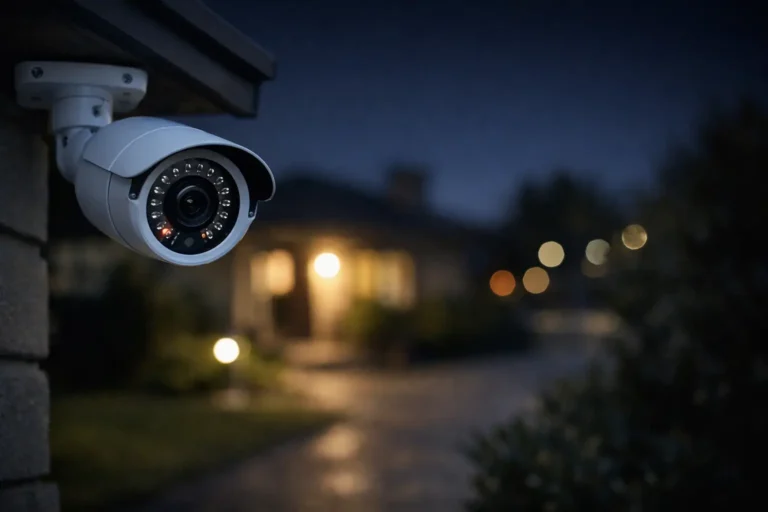
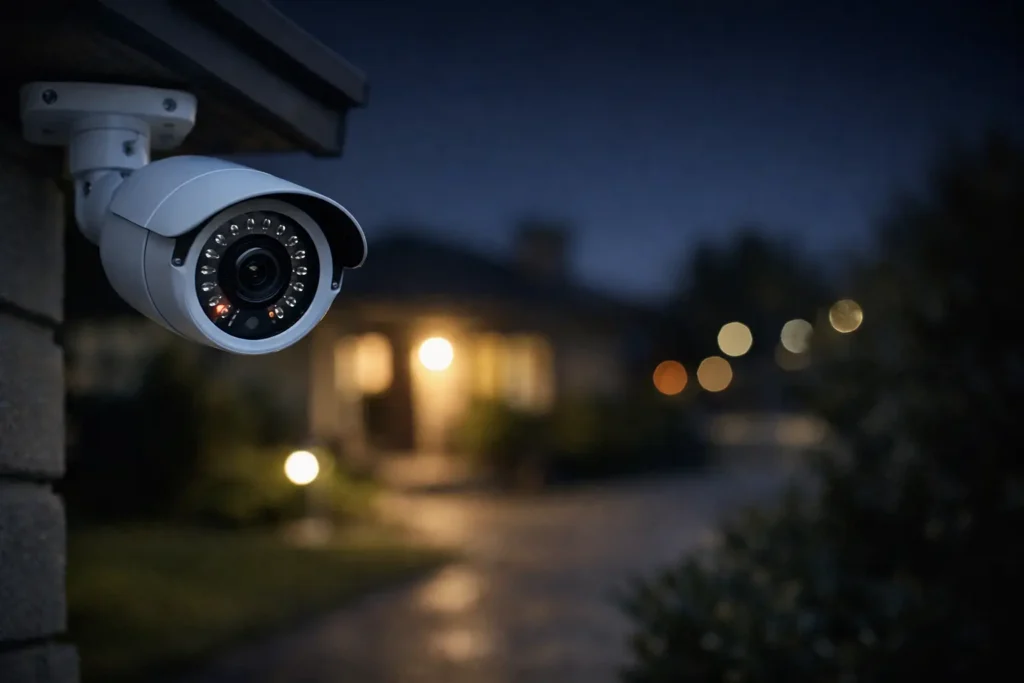
A camera that captures a clear visitor at noon but produces a blurry silhouette after sunset leaves a major gap in your protection. Can security cameras record at night? Yes, but the quality of nighttime recording depends on the camera technology, available light, placement, and how the system is installed.
For Louisiana homes and businesses, nighttime performance matters year-round. Driveways, parking areas, side gates, loading areas, and entry doors can be especially vulnerable after dark. A properly designed surveillance system gives you useful footage when you need it, not just a dark image that raises more questions than it answers.
Can Security Cameras Record at Night Clearly?
Most modern security cameras can record at night, but not every camera records the same kind of image. Some switch to black-and-white infrared video when darkness falls. Others use highly sensitive image sensors to capture color video in low light. Cameras may also use built-in spotlights or work with carefully placed exterior lighting.
The practical question is not simply whether a camera can see at night. It is whether it can capture enough detail to help identify a person, vehicle, direction of travel, or activity near your property.
A camera watching a well-lit front entrance may provide a strong image with basic low-light capability. A camera covering a long, unlit driveway or a commercial lot may need infrared range, supplemental lighting, or a different camera location. The right answer depends on the area you need to protect.
How Night Vision Security Cameras Work
Infrared night vision
Many security cameras use infrared, often called IR, to see in darkness. Small infrared LEDs around the camera lens illuminate the scene with light that is generally invisible to the human eye. The camera then records a black-and-white image.
Infrared is a dependable choice for dark areas because it does not require a porch light or streetlight to be on. It can be effective for monitoring entrances, hallways, gates, fenced yards, storage rooms, and other areas where there is little to no visible light.
Still, infrared has limits. Its usable range varies by camera, and objects farther away may not be detailed enough for identification. Reflective surfaces can also affect the image. A camera pointed through a window, for example, may catch infrared glare from the glass and produce poor nighttime video.
Low-light color video
Some cameras are designed with more sensitive sensors and lenses that can use small amounts of ambient light. With lighting from a porch fixture, landscape lighting, nearby businesses, or streetlights, these cameras may continue recording in color longer than a conventional camera.
Color can be valuable when details matter. The color of a shirt, vehicle, or package may be easier to distinguish than it would be in black-and-white footage. However, low-light color performance still depends on having enough usable light. In very dark conditions, the camera may switch to infrared or need supplemental illumination.
Built-in lights and active deterrence
Certain cameras include white lights that activate when motion is detected or when a user turns them on remotely. These lights can help the camera record color video while also making a person aware they have entered a monitored area.
That approach can be useful around a front door, rear patio, storefront entrance, or employee entrance. It is not always ideal for every location, though. A bright light may disturb neighbors, create glare, or be unnecessary for a camera monitoring a quiet side yard. Placement and settings should match the property and the purpose of the camera.
What Affects Nighttime Footage Quality?
The camera itself is only one part of the system. Nighttime video can be limited by conditions around the camera and by installation choices that may not be obvious during the day.
Camera placement is often the biggest factor. A camera mounted too high may show the top of a person’s head instead of their face. One aimed too broadly across a large yard may detect motion but fail to provide identifying detail. For a business, a camera should be positioned to capture approaches to doors, cash-handling areas, delivery zones, and parking lot entrances with a clear viewing angle.
Lighting conditions can help or hurt. A small amount of steady exterior lighting often improves color images and overall clarity. On the other hand, a bright light directly behind a subject can turn that person into a silhouette. Headlights, reflective signs, wet pavement, and glass doors can also create glare.
Weather and the environment matter in Louisiana. Heavy rain, fog, humidity, insects, and spiderwebs near the lens can affect an image or trigger unwanted motion alerts. A professional installer can choose equipment and locations that reduce these issues, while ensuring camera housings, wiring, and connections are suited for outdoor conditions.
Internet and recording settings affect what happens after the camera captures video. A camera may provide a live view but have limited stored footage if recording plans, retention settings, or local storage are not set up correctly. Motion-based recording can save storage space, while continuous recording may provide more context before and after an event. The best option depends on your priorities and the number of cameras in the system.
Choosing Cameras for Common Nighttime Areas
A front-door camera has different needs than a camera watching a long commercial driveway. Designing around the location is more effective than choosing one camera type for every area.
For residential properties, entry points deserve close attention. A camera should capture visitors approaching the door, packages left at the entrance, and activity near vehicles in the driveway. Back doors, side gates, pool areas, and detached garages may also need coverage, particularly when they are not visible from inside the home.
For businesses, nighttime coverage often focuses on exterior doors, employee entrances, loading areas, inventory storage, dumpsters, and parking lots. A wide overview camera can show activity across an area, but it may need to be paired with a more focused camera at an entrance or vehicle access point. Wide coverage and identification-quality footage are not always the same thing.
When planning coverage, consider these questions: Where would someone approach from? What details would you need after an incident? Is there existing lighting? Could trees, signs, vehicles, or seasonal changes block the view? These answers guide the system design.
Why Professional Installation Makes a Difference
A camera placed in the wrong spot can create false confidence. It may record movement at night without capturing the face, license plate, or action that matters. Professional installation helps avoid common problems such as backlighting, blind spots, weak Wi-Fi coverage, poor infrared angles, and exposed wiring.
At Alarm Center Security, our team helps homeowners and business owners build systems around the way their property is actually used. That can mean selecting cameras with the appropriate night vision capability, placing them at effective heights and angles, and integrating them with monitored security and smart control tools when appropriate.
Professional setup also makes daily use easier. You should be able to check live video, receive meaningful alerts, review recorded clips, and know who to call when you need assistance. A security system should support your routine, not add another complicated device to manage.
A Better Way to Test Night Coverage
Before relying on any camera system, test it after dark. Walk the areas you want covered at the times activity is most likely. Approach doors, stand near parked vehicles, and check whether faces and key details are visible from realistic distances.
Review footage during dry weather and again after rain or during humid conditions. Check for glare from porch lights and headlights. If a camera uses motion alerts, make sure normal activity such as passing cars, trees, or insects is not creating constant notifications.
Small adjustments to angle, lighting, sensitivity, or camera position can make a significant difference. The goal is not merely to see that something happened. It is to have dependable video that helps you understand what happened and respond with confidence when it matters most.